

Are you training people — or physiology?
Sports love numbers. Test results, seconds, kilograms, millimoles, watts. We track graphs, measure performance, strap smart devices to our bodies, and fine-tune processes—and that’s a good thing. But more and more often, I find myself asking: When did we start seeing athletes as just bodies, and no longer as people?
Throughout my career, I have conducted numerous training programs for managers and leaders. The connection to elite sports is clear: successful leaders strive for continuous development and ever-improving peak performance. A top performance does not arise solely from physical or mental capacity. It arises from what happens beneath the surface—in the mind, on an emotional level, in terms of meaning. The coach’s most important task is not to optimize the body. The most important task is to connect with the person. Training, just like leadership, is above all about human relationships.
A good person perseveres—and grows
All too often, training focuses on what to do better: run faster, recover faster, eat smarter. But who trains people to become braver, more mature, and more empathetic? Who helps them grow into people who take responsibility for themselves—and for others?
The best coaches realize that long-term success isn’t built on coercion or fear, but on trust and humanity. They know that a good person is strong—not because she’s tougher than others, but because she dares to be honest with herself.
The inner fire isn’t ignited just because someone orders it
A person is inspired when she feels she matters. When she has a say in her own work. When she feels like part of something bigger than herself. That’s when inner motivation arises—a force that can neither be bought nor forced, but which makes everything possible when it ignites. This is the fuel we need more of: not fear of failure, but passion for growth. Not the pressure to meet expectations, but the desire to surpass oneself.
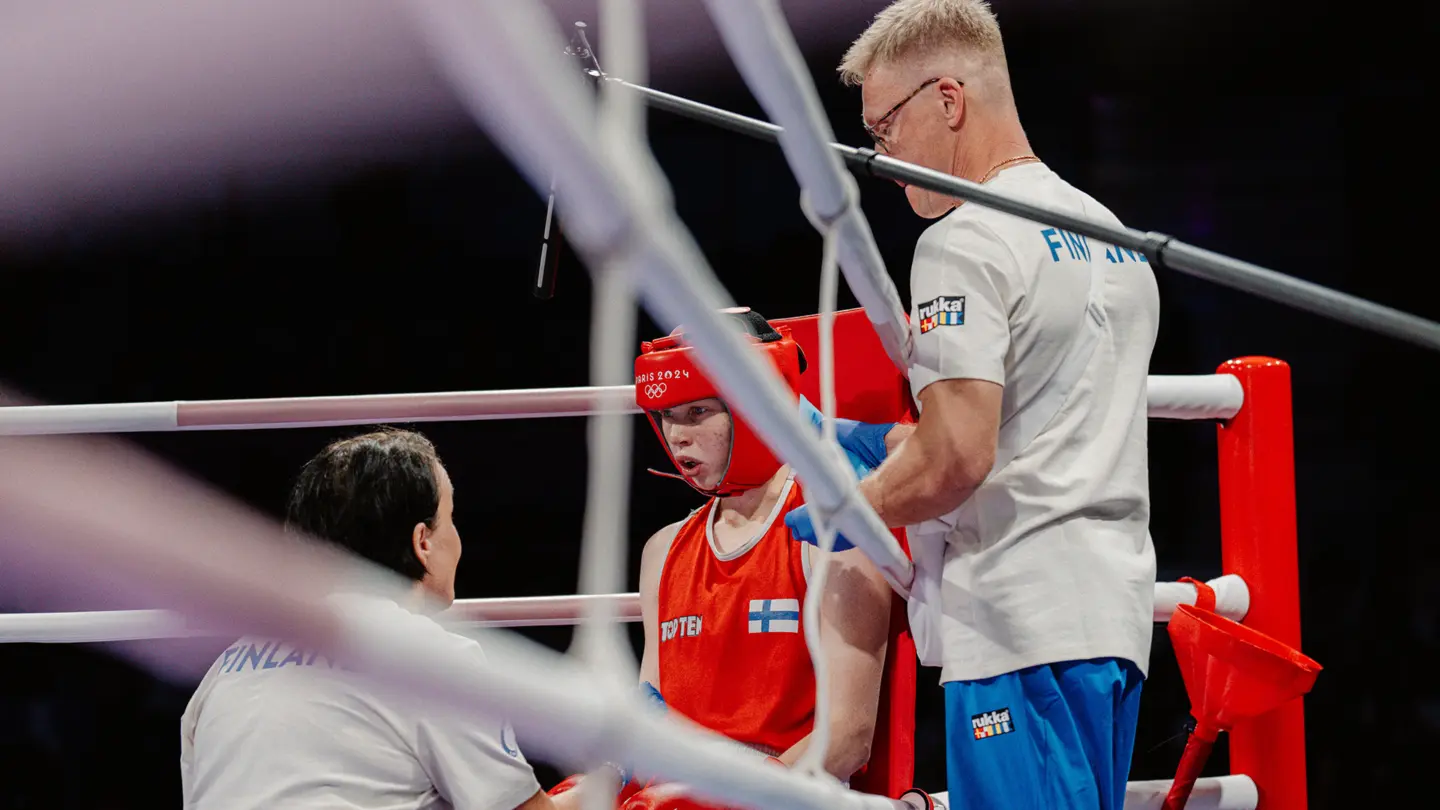
Ultimately, it’s about connecting with one another. Coaching someone doesn’t mean glossing over their problems or feeling sorry for them. It means taking a moment, looking them in the eye, and asking: How are you? What do you need? Who do you want to be?
This is what I usually ask in my leadership training sessions—and it applies to sports as well. We don’t need more performance. We need more human connection. A sense of humanity that remains even when results are lacking.
Who are you when everything has been erased?
Success does not define a person. But a person determines what kind of success is possible. That is why the most important thing in training is not how much weight someone lifts—but how much they grow as a person. Even in sports, the ultimate goal—alongside peak performance—is to enable people to live a good life, each with their own goals and standards.