

Finnish judo has achieved impressive results in recent years. Martti Puumalainen won gold at the European Championships in the over-100-kilogram division in 2023, and Luukas Saha added to that success with a bronze medal at the World Championships a year later. It had been 43 years since the last World Championship medal. Saha has since continued his medal streak with a bronze and a silver at the European Championships.
Finnish judo has also risen to the top internationally in the youth ranks. In 2025, Louna-Lumia Seikkula won gold at the U23 European Championships, and Sofia Pekki won the European Championship in the U18 age group.
Success did not come about by chance. In Finnish judo, a determined effort w as made to change the way high-performance sports are conducted. There were no magic tricks; instead, a system was built in which good training, high standards, mental preparedness, centralized coaching, and a clear path from youth to the top all support one another.
– Finland, for example, doesn’t have a massive number of practitioners or the resources that France does, so we can’t simply copy that model. We had to find a way to do things better and more efficiently, says head coach Rok Drakšič.
Bringing athletes, coaching, and expertise together in one place
Judo coaching activities were previously held at three locations: Pajulahti, Tampere, and the Helsinki metropolitan area. According to Otto Favén, the Finnish Judo Federation’s head of organization and coaching, resources were scattered and insufficient for three locations.
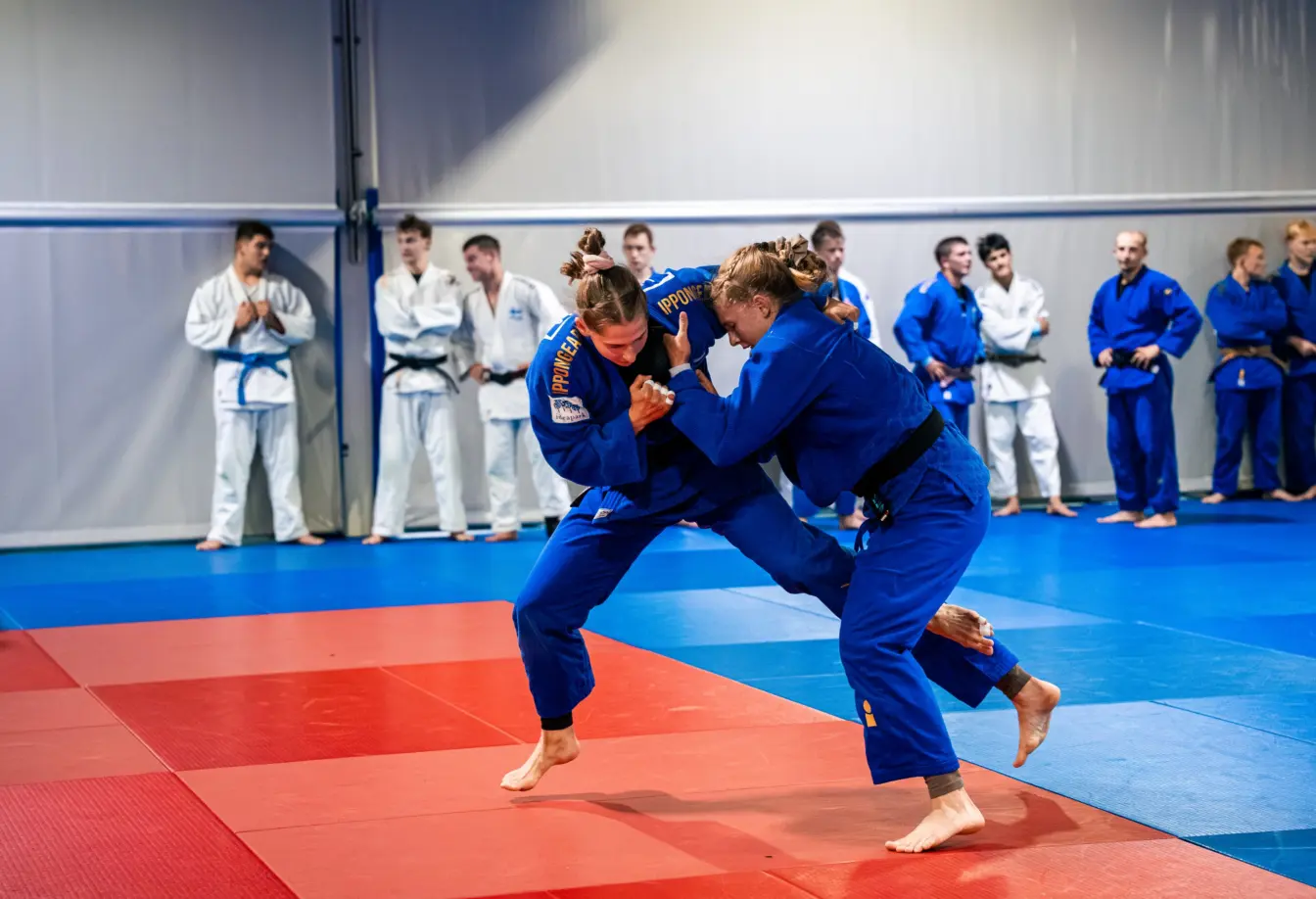
Construction of the Urhea Campus began at just the right time for the sport. The decision was made to centralize operations at Urhea, bringing athletes, coaching staff, and world-class training facilities all under one roof. Drakšič, a Slovenian, was hired as head coach.
– Centralization wasn’t the goal in itself. For us, it was a way to raise the bar, Favén says.
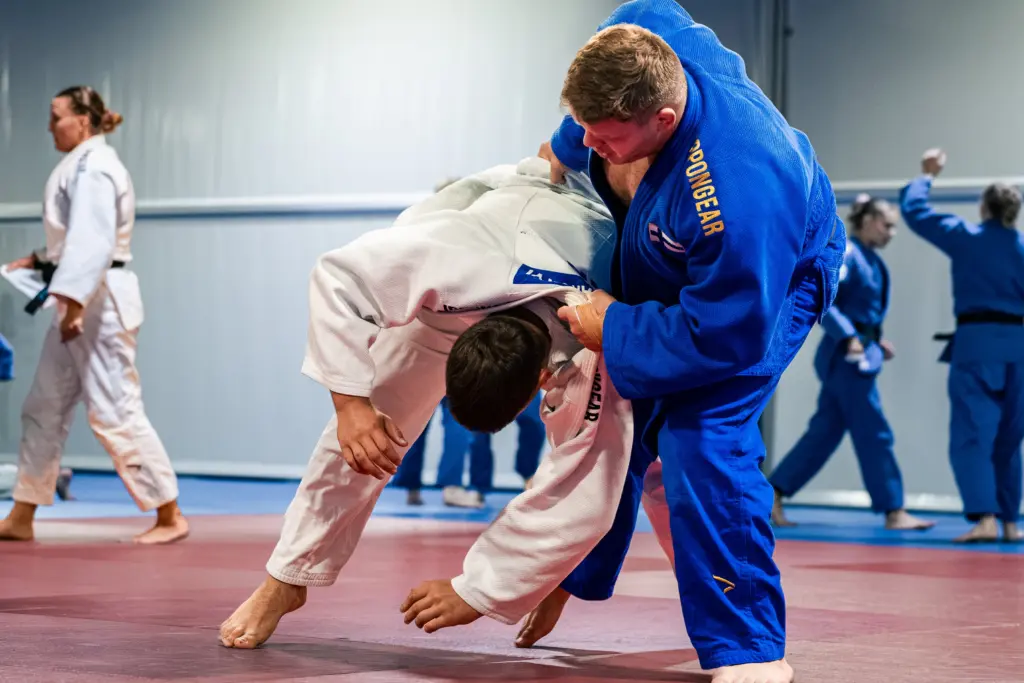
The bar was raised at the practice
– There was no winning culture in Finland, and the athletes didn’t know how to win, so the first thing we did was work on their mindset, says Drakšič.
Winning requires self-confidence, which comes from believing in one’s own abilities. Drakšič began to purposefully instill a high-performance athlete’s mindset in his athletes. They had to learn to look the world’s best athletes in the eye and go into every match with the mindset that they could beat them.
High standards became part of our daily operations.
– Raising the bar means things as simple as the rules and guidelines that athletes were required to follow. For example, how to behave and conduct oneself during practice, or that athletes must always arrive on time for practice, Favén explains.
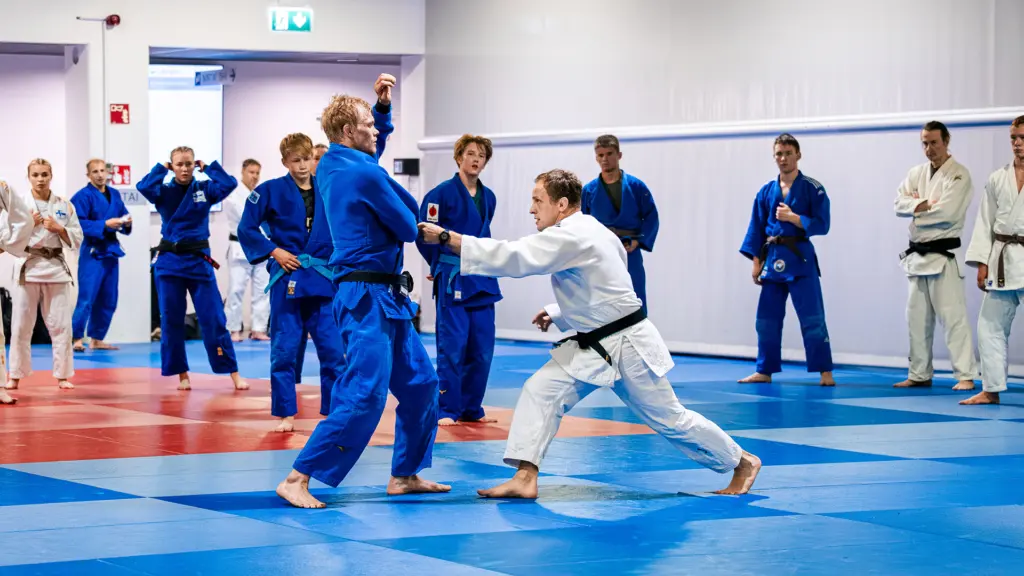
More and harder
Under Drakšič’s coaching philosophy, the team began to train more and harder. In addition to increasing the volume of training, this meant incorporating everything that makes the world’s best athletes the best.
Favén gives some concrete examples of this: Every workout is done properly and every repetition is given your all; you seek out sparring partners who are better than you; you never take the path of least resistance; and you must constantly challenge yourself. In addition, extra training is done at international camps as needed.
– If we want to succeed, we can’t just do what everyone else is doing. We have to do much more. Combined with Finnish grit, that’s a winning combination, says Drakšič.
As training intensity increased, it also became necessary to monitor training load and ensure proper recovery. Favén explains that the training load of elite athletes is monitored weekly, and their training is adjusted based on test results.
– According to the monitoring, the athletes are recovering well and their training rhythm is on track, meaning they are well-prepared and ready for competition. Training can be intense, as long as it’s done intelligently and with the coach’s expertise, he notes.
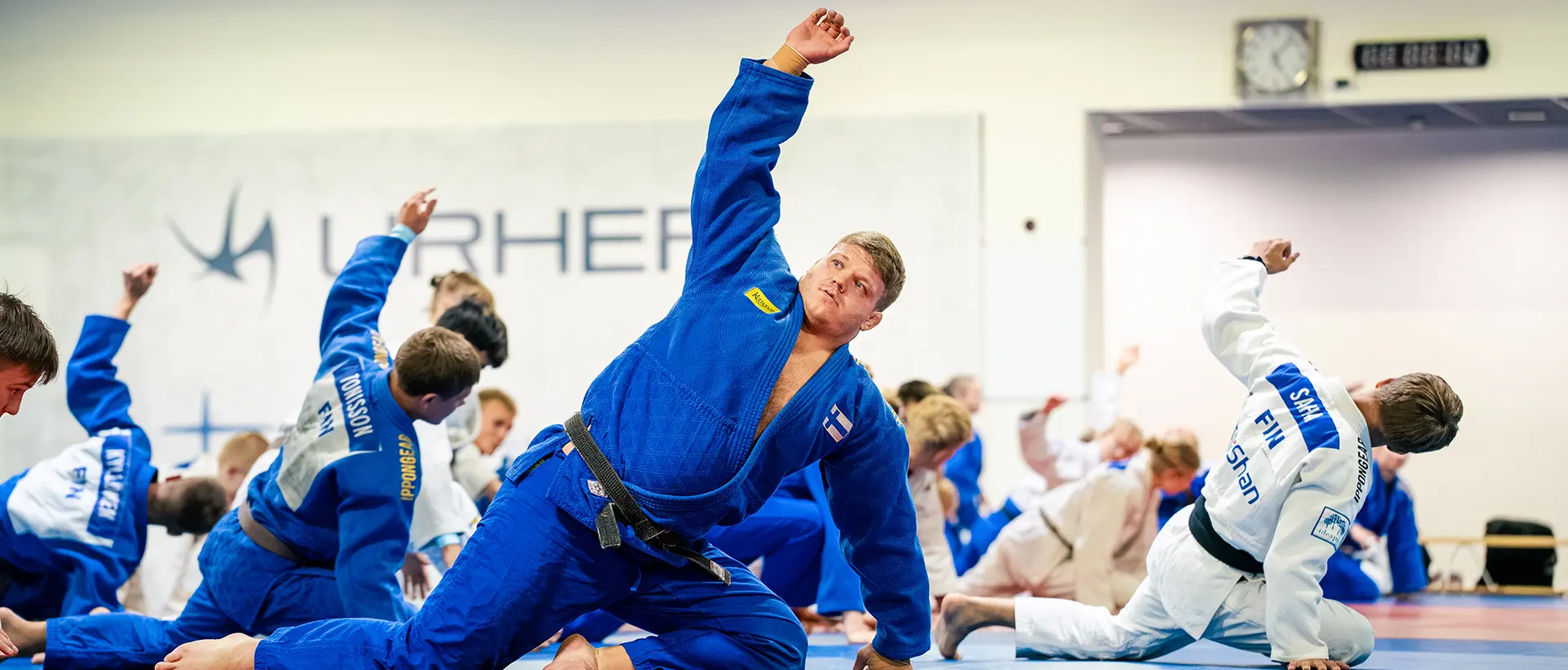
If we want to succeed, we can’t just do what everyone else does. We have to do much more.
A clear path from youth to the top
Elite judo is centralized in Helsinki, but club activities take place throughout Finland. Favén emphasizes that it often makes sense for young people to train at their own clubs, following common training plans in line with the coaching system.
He notes that young judokas have had a good system for advancing as athletes in the past, but the guidelines had not been defined in sufficient detail. With Drakšič, training based on “Rok’s guidelines” began to be adopted elsewhere as well, and the system began to be developed for the next generation.
– Now we have a clear path that starts when you’re young and gives you the chance to succeed as an adult, too. It offers a clear view all the way to the top level of adult competition, along with a plan for how to get there.
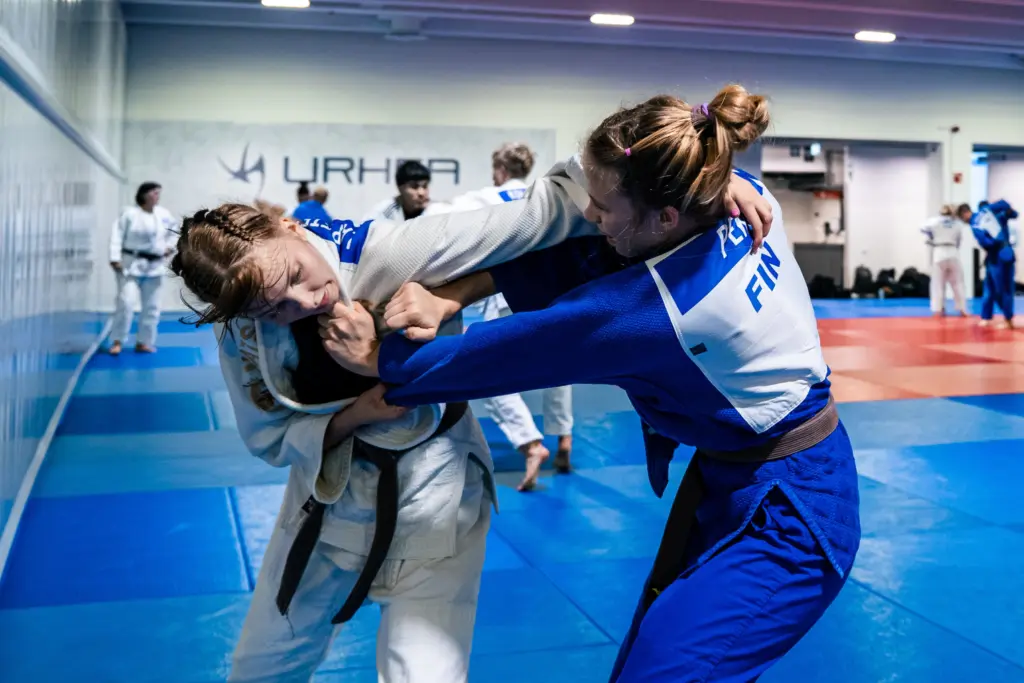
Change requires trust
Drakšič emphasizes that bringing about change is not a one-way process of giving orders, and that it takes more than just instructions. First, trust must be built on both sides. The coach must first gain the athletes’ trust that he can help them. Only then will they be willing to change their behavior. Within three years, the change began to show in the results.
– Three years is a really short time. It was an incredible coaching feat, Favé acknowledges.
A strong system is created when expertise is shared widely enough. Drakšič says that Finland has a wonderful principle of continuous learning, which he believes in within his own coaching team.
– We talk about things a lot and learn from each other. We make sure that ideas are shared and discussed as much as possible.
– Coach training also needs to be developed so that we can spread expertise as widely as possible among clubs. This brings stability and strengthens the structures, Favén continues.
People are already daring to talk openly about an Olympic medal
When Drakšič took office, the Finnish Judo Federation’s goal was to bring Finnish judo back to the international medal podium. That goal was achieved, and now the focus is on an Olympic medal. Favén says that the 2028 Games in Los Angeles will be the first real test of the new system.
– At the Paris Olympics, we didn’t yet have the courage to set a medal as our goal. Now we’ve said it out loud, and this time it’s genuinely possible.
Finnish judokas now have the confidence and courage to win. So anything is possible.
How can we ensure the long-term success of Finnish judo?
In recent years, Finnish judo has taken a giant leap toward the top of the world rankings and established a comprehensive training program that stands up to international comparison. Athletes’ training is centralized at the Helsinki Metropolitan Area Sports Academy and the Urhea Olympic Training Center, and standards have been raised to a level where they can compete against the sport’s powerhouse nations. This centralization has yielded results.
The sport has a strong determination to remain competitive on the international stage, and the crucial question is how to ensure the sustainability of this successfully established high-performance sport model. According to Jaana Jokinen, the Olympic Committee’s High Performance Manager, judo must be able to reinvent itself and ensure that expertise, standards, and operating models are an integral part of the system.
– We cannot just keep repeating the old ways. We need a continuous capacity for renewal and the development of coaching expertise, Jokinen emphasizes.
Another key to the future lies in the junior program. The elite coaching program built around Urhea attracts young judokas from all over Finland, and promising athletes are also emerging from younger age groups. However, we must also ensure that vibrant club activities are maintained throughout Finland. New elite athletes continue to emerge from local clubs.
Jokinen sees many positive aspects in this situation. Today’s youth get to witness Finnish judokas winning international medals and have the chance to train on the same tatami mats as their role models. This makes the path to becoming a high-performance athlete more tangible than ever.
—When young people see that a Finn has achieved this, they believe it’s possible for them, too.
Text translated with the help of AI.