

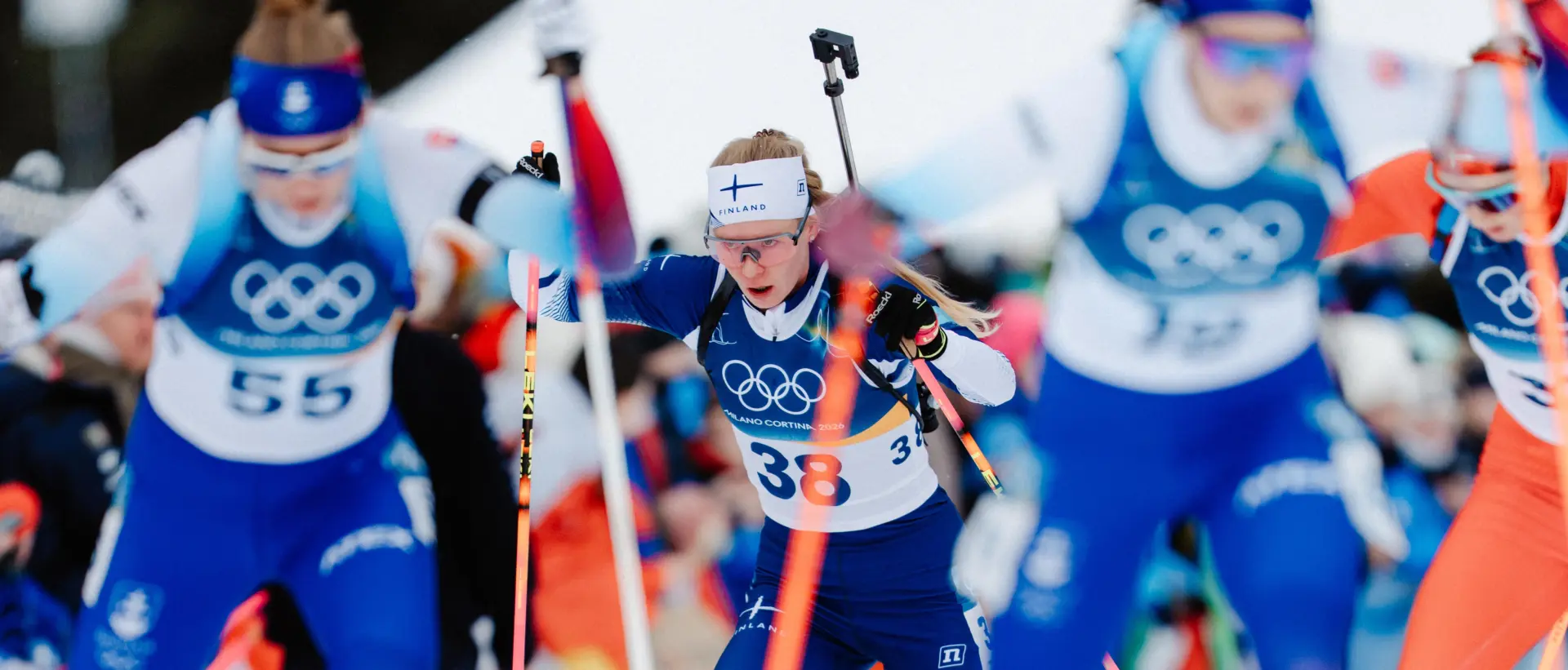
The Finnish national biathlon team’s journey to the Olympics was purposefully built on two key principles: raising the bar and improving coordination within the coaching staff. The result was a team that not only worked together but was also able to raise its performance level in the main Olympic competitions in Milano Cortina.
The Finnish national biathlon team’s journey toward Milano Cortina began four years ago with a focus on the basics. At training camps, the emphasis was first and foremost on high-quality performance, but also on team spirit.
– It was important to us that the team work together. Not just going through the motions at training camps and then retreating to our own rooms, but actually building a team that works well together,” explains Erik Torneus-Kulstad, head coach of the national biathlon team.
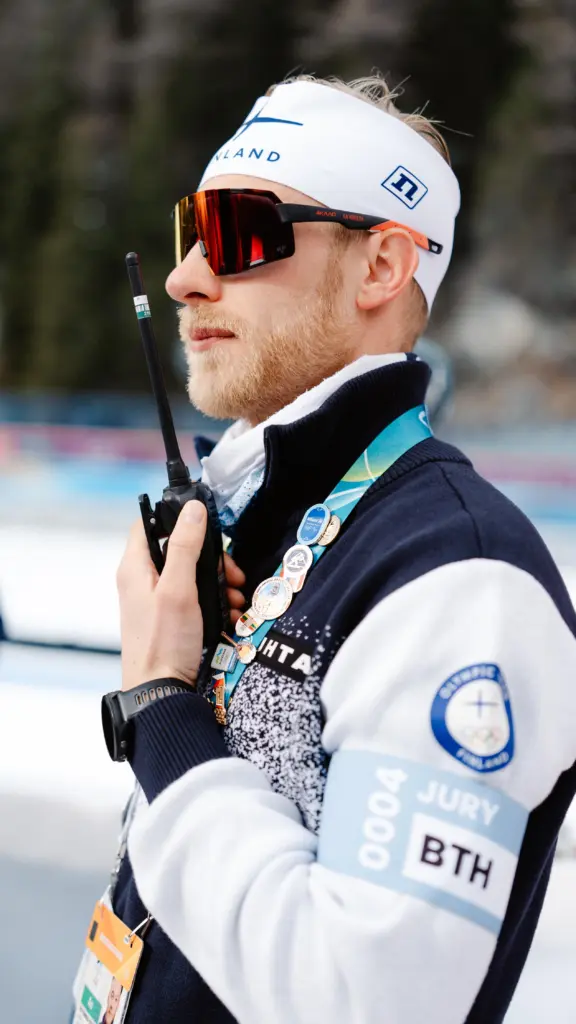
Athletes rose to the challenge
One of the most significant changes was made in terms of the daily standards. The team trained harder, and the goals were set high. The aim was to change the athletes’ mindset. Once they dared to do more, concrete changes began to appear.
– We wanted to create an environment where everyone is prepared, focused, and ready on time. Every athlete must take responsibility for their own role, because the team’s overall performance is built together. The athletes have met these expectations really well.
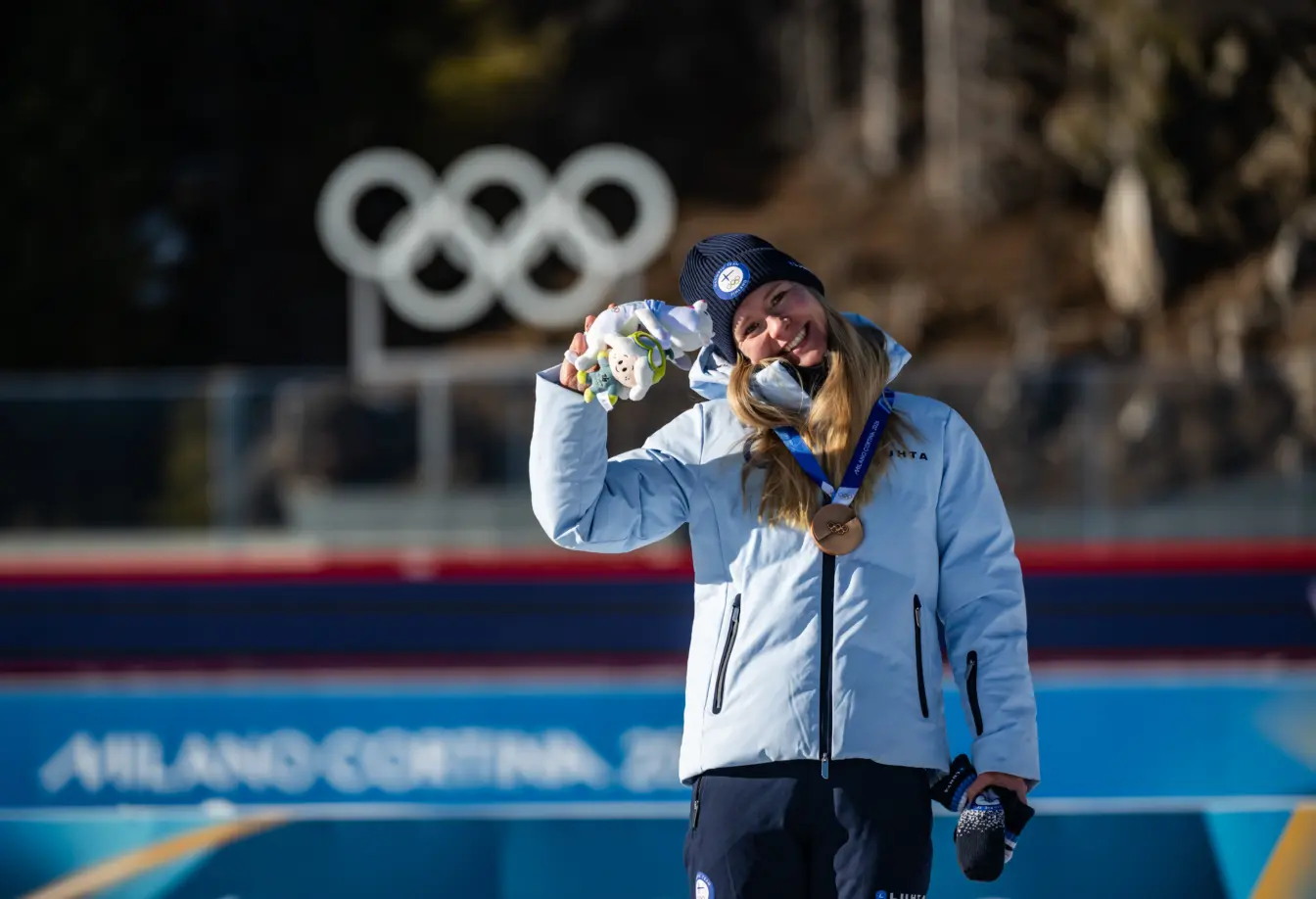
Milano Cortina 2026
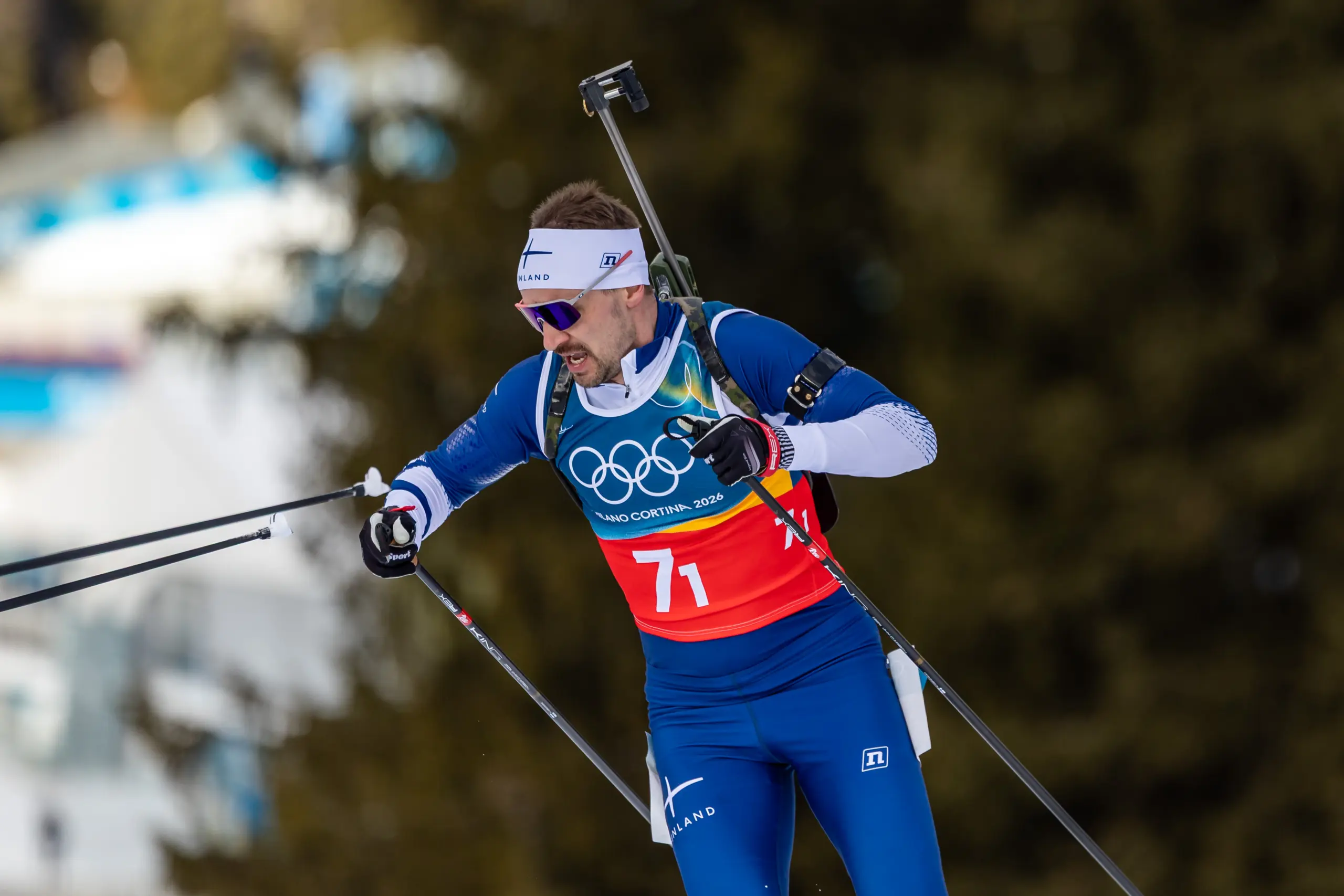
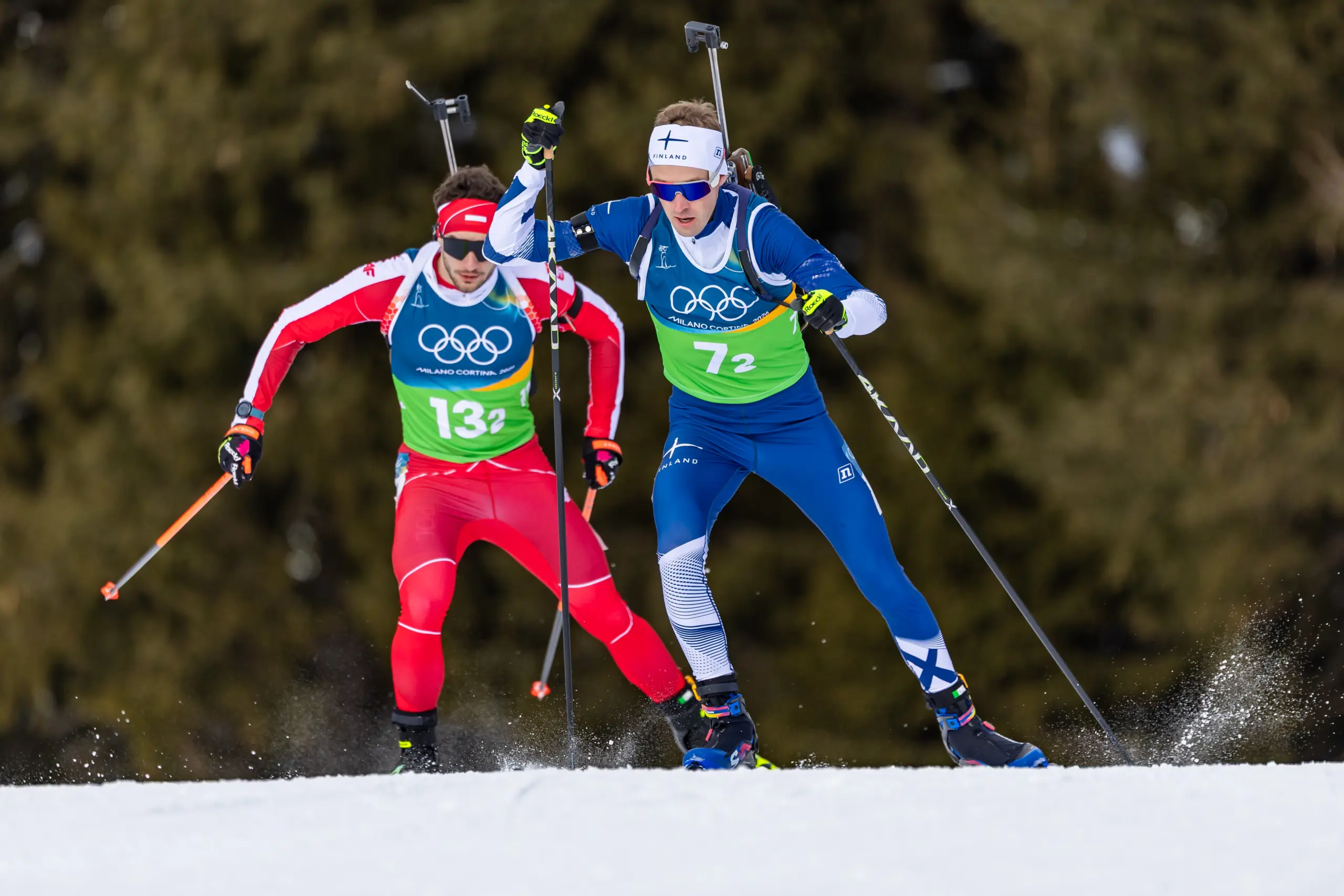
At the Milano Cortina Olympics, biathlon emerged as one of Finland’s most successful sports. Finnish athletes managed to combine strong skiing speed with accurate shooting.
Suvi Minkkinen’s Olympic bronze medal in the women’s pursuit, the mixed relay team’s sixth-place finish, and several individual top-ten finishes demonstrated that Finnish biathlon is once again among the world’s best.
Coordinating the coaching staff brought clarity
Another important step forward was the creation of a clearer structure for the coaching process. Previously, several specialists might have been working with an athlete at the same time, sometimes without any clearly defined overall coordination.
– Everyone always works in the athlete’s best interest, but we’ve improved how the different areas work together. The coaching staff now has a clearer overall picture of the entire process.
Torneus-Kulstad emphasizes that doctors, physical therapists, and other specialists continue to play a key role, but communication and coordination within the team have become more consistent.
– We have improved communication within the team and clarified responsibilities in our day-to-day work. This benefits both the coaching staff and the athletes.
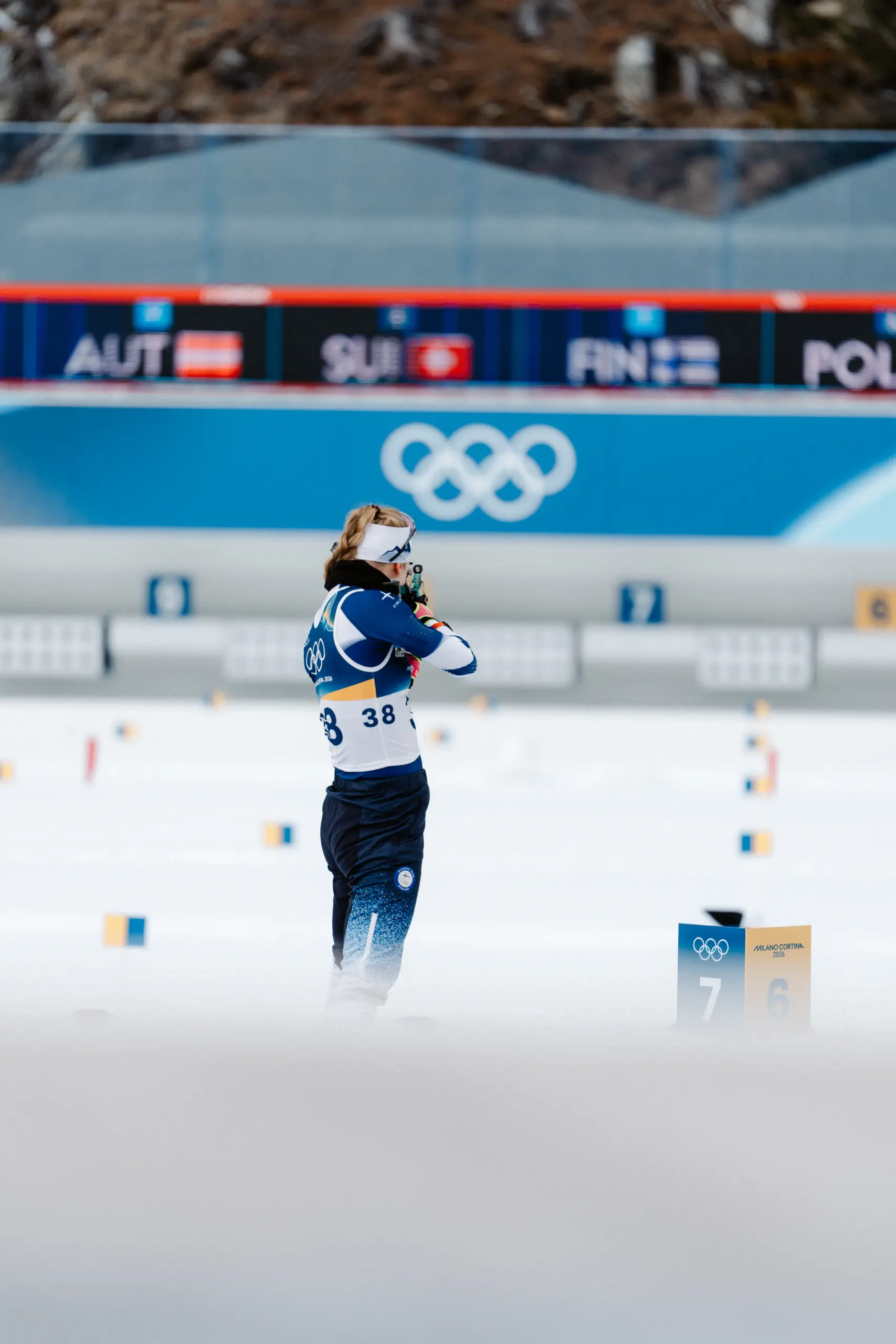
In terms of training, the focus was on shooting. Since competitions in this sport are decided under pressure, it was important to simulate this during training as well.
– For example, the transition from skiing to the shooting position and the ability to repeat it consistently became a key focus area. The goal is to remain calm and ready to act quickly, even under pressure. We have seen clear progress in this area, and an increasing number of athletes are able to perform at a high level in demanding situations.
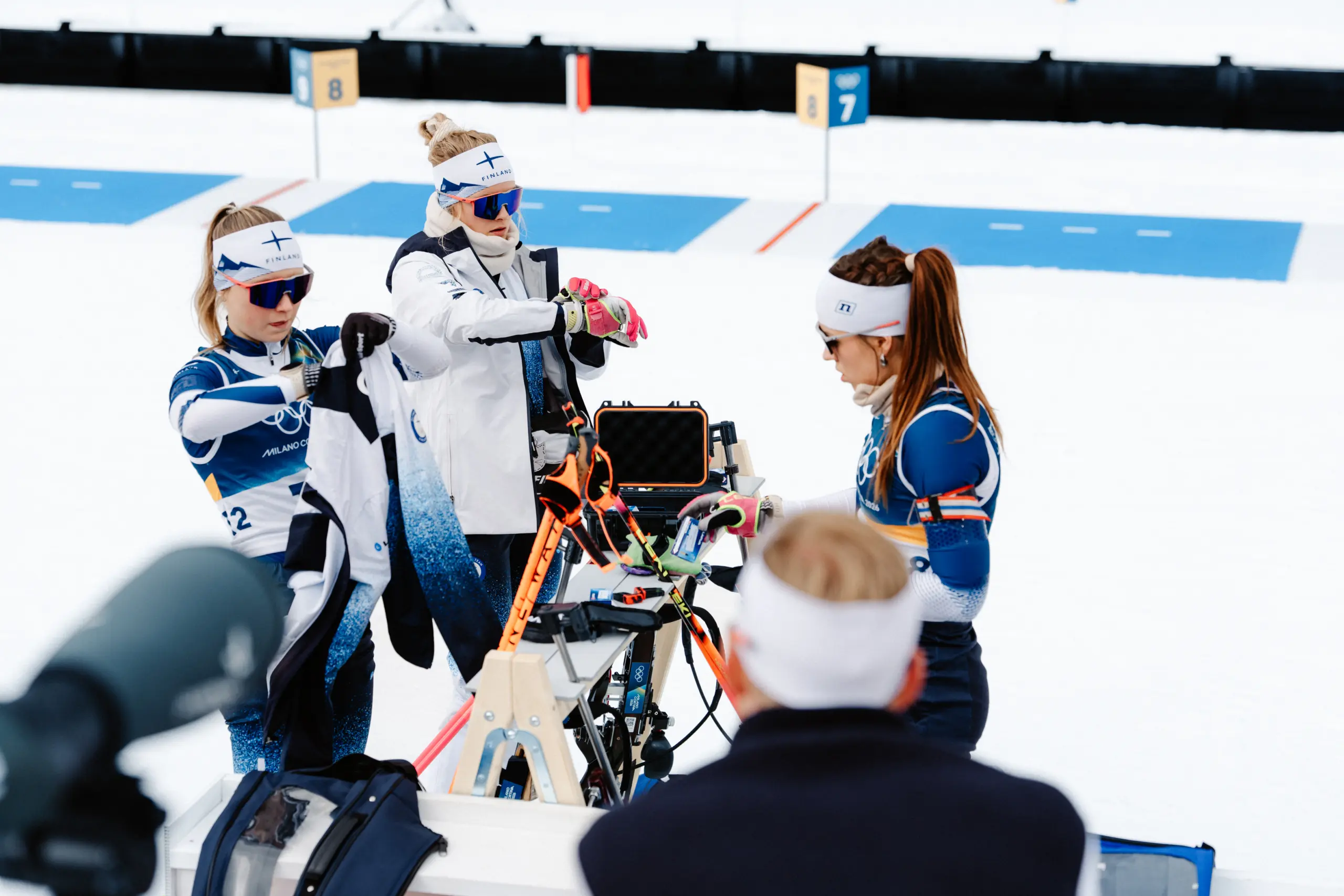
The team behind an individual’s success
Although biathlon is an individual sport, Torneus-Kulstad attributes the team’s success in Milano Cortina to the strong team spirit that has developed there. The athletes work well together and are supported by a close-knit group of coaches and experts.
– No one can do it alone. You need a strong team around you.
Torneus-Kulstad points out that close collaboration has also changed the dynamics. Initially, the coaching staff demanded more from the athletes, but now the athletes, too, are seeking quality.
– Athletes demand high-quality coaching. It’s important that we keep up with them and get the most out of them.
Torneus-Kulstad highlights, for example, Suvi Minkkinen, who won the bronze medal in the pursuit race at the Milano Cortina event.
– He has made significant progress in both cross-country skiing and biathlon. He is willing to do whatever it takes to succeed. He has literally put everything on the line for the Olympics.
Although the team’s achievements were significant, Torneus-Kulstad also identifies clear areas for improvement.
– Our peak performances are already at a good level, but our lowest level is still too low. We need to achieve more consistency in our performance. For example, the physical fitness of many athletes has improved, but we still need to develop the speed required for sprint distances.
– Looking ahead, the importance of collaboration and day-to-day efficiency will become even more evident. We currently have everything we need to operate at our current level. But if we want to improve, there are certain things we need to do even better.
Text translated with the help of AI.
Meet Suvi Minkkinen!
-
 Suvi MinkkinenGet to know Suviin