

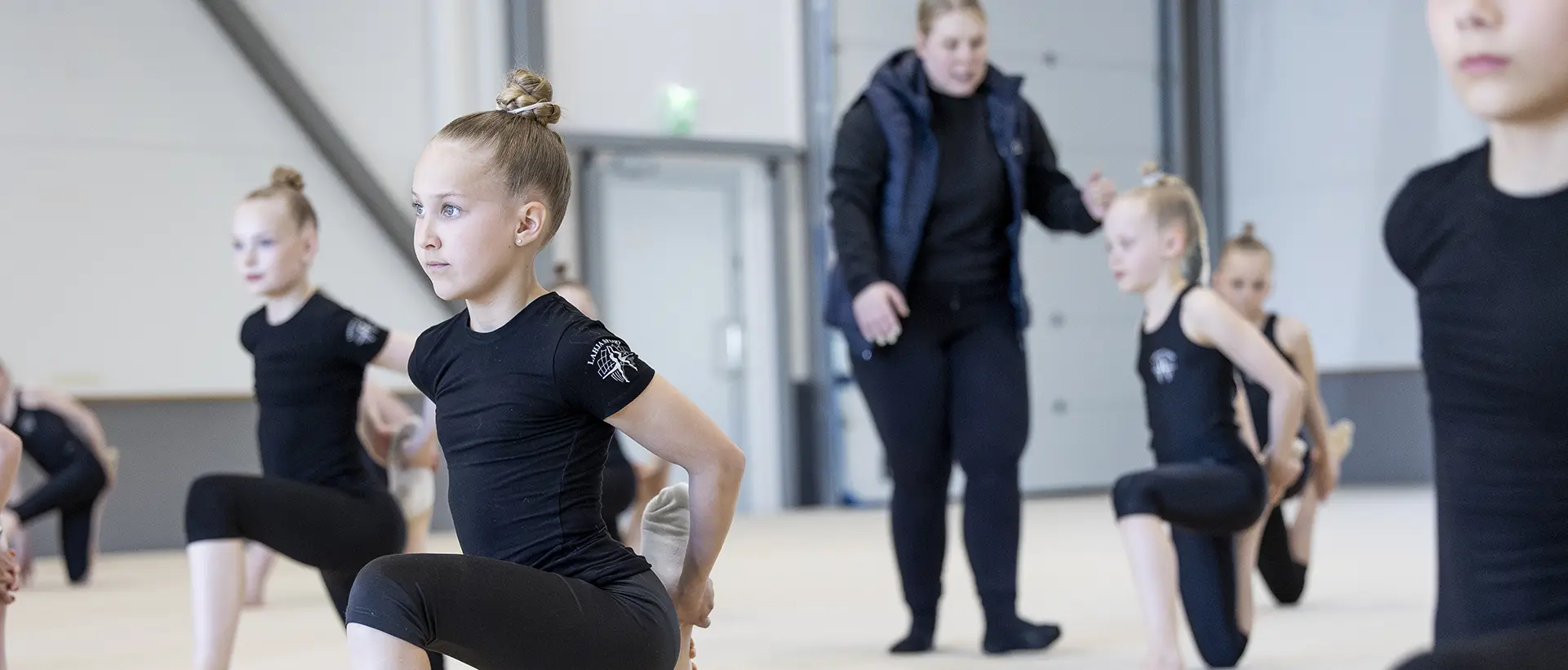
The Lahja Sport gymnastics club has structured its activities to address the challenges posed by children’s lack of physical activity. The Gymnast’s Path takes into account both the athlete’s skill level and the opportunity to participate in other sports as well. Although the club aims for the highest level of gymnastics, it wants to offer a variety of recreational opportunities alongside competitive sports.
Kerttu Kankaanpää, 11, had tried several sports before taking up gymnastics. She says she was hooked from the very first time.
– With gymnastics, something just felt right. The best thing about the sport is definitely my teammates. We train a lot and are very close-knit. We’ve become a tight-knit group, and I’ve made a lot of friends through the sport, says Kankaanpää.
Lahja Sport’s gymnastics program is strongly based on an age-group system. Each age group covers two different age years.
– Within each age group, it’s possible to train with a specific goal in mind, with slightly less focus on goals, or just for fun. We want to offer gymnasts and their families the opportunity to choose the level of commitment and the amount of training they want. This also allows for flexibility in costs. You can structure your participation based on, for example, how often your child wants to train each week, says Karita Aalto, Head Coach at Lahja Sport.
– The Gymnast’s Path program was designed to address the societal challenges posed by children’s limited and one-sided physical inactivity. We set out to diversify the opportunities for physical activity for this particular age group. At the same time, we have communicated to parents that, as a club, we also want to support participation in other sports. We believe it is important not to choose a sport too early, she adds.
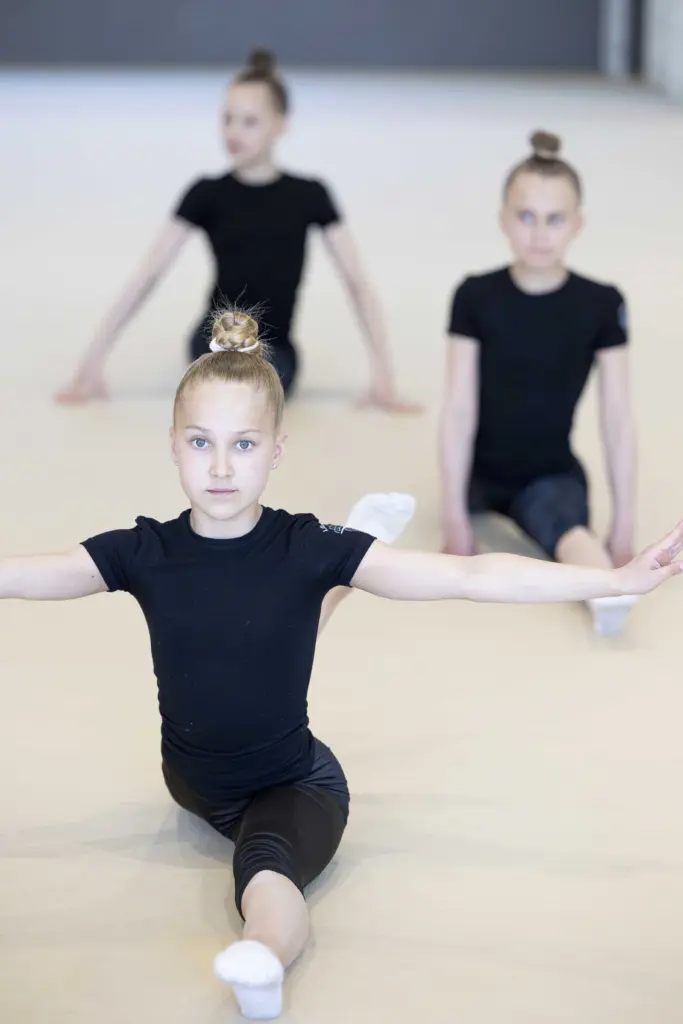
Gymnasts’ voices are heard in everyday life
Lahja Sport has given the club’s gymnasts the opportunity to contribute to the development of the gymnast’s pathway. Feedback has been collected by age group from the very beginning. According to Kankaanpää, providing feedback has been easy.
– We can request different stretches as well as warm-up and cool-down exercises during practice. At the end of the season, we always receive a feedback survey asking for our suggestions for the next season. We can share our thoughts on topics such as team rosters and the number of practices. There are also a couple of feedback surveys during the season that ask about training-related matters.
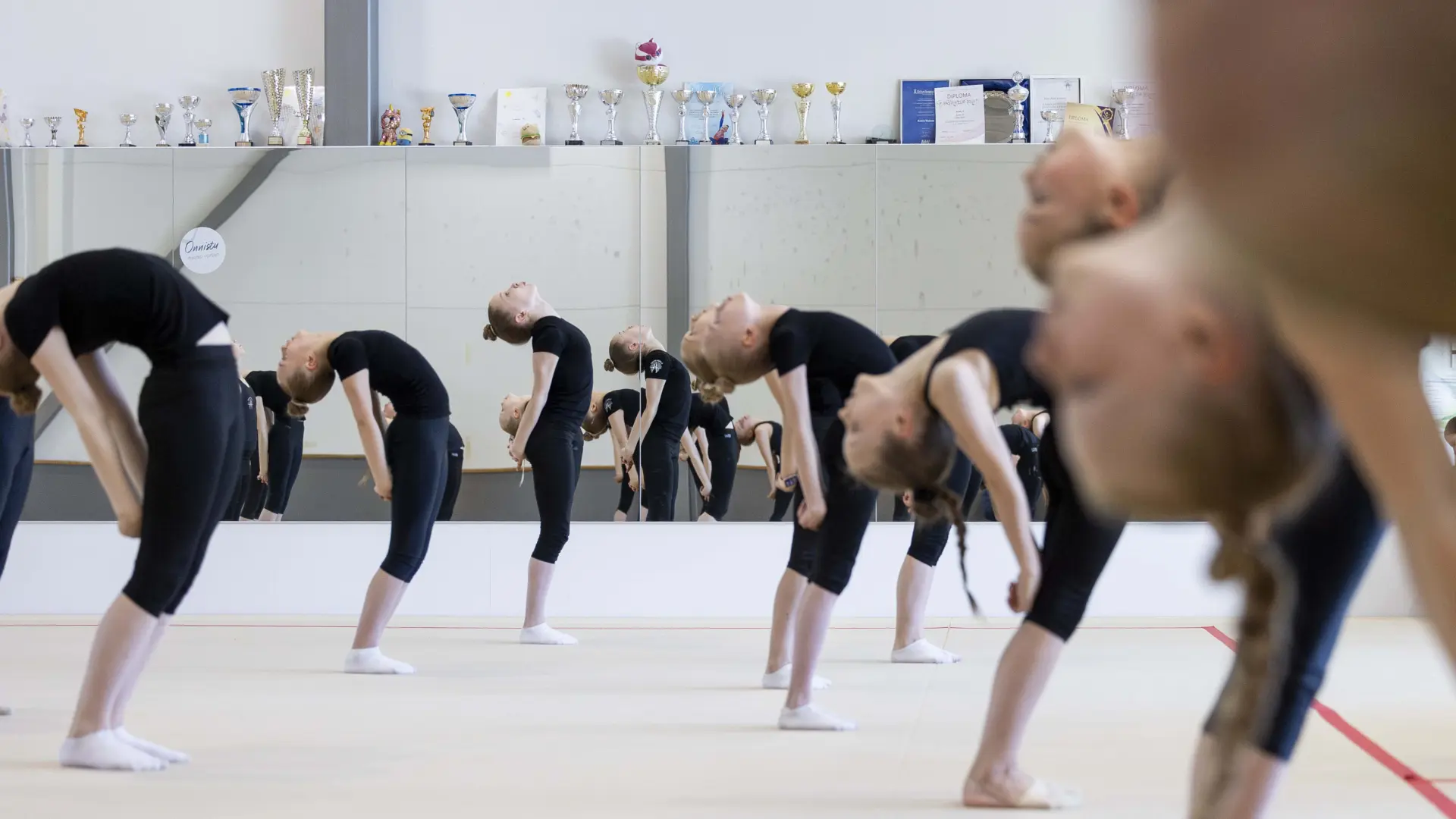
At the end of each season, we always receive a feedback survey asking for suggestions for the next season.
According to Kristiina Viikari, the club’s executive director, efforts have been made to lower the threshold for giving feedback. The goal is to foster an open culture of dialogue within the club, where members can voice their wishes throughout the season.
– Gymnasts get to fill out a motivation letter early on, at the end of the season. Of course, this is primarily sent to parents of first- and second-graders, for example, but we encourage families to fill out the letter together with their child. We want children to learn to voice their hopes and dreams. For older children, we send out a monthly MiKu survey (Mitä Kuuluu/How Are You? survey), which the child answers themselves. If there are any concerns or worries, we encourage our gymnasts to share them.
– Staying in touch is really important. We send quick updates via voice messages, which helps us foster a culture of open communication from the very beginning. The lines of communication are always open. We tell both the players and their families that no one has to be left to worry alone if something is on their mind, Viikari sums up.
Kankaanpää has also shared his wishes in his feedback.
– Our coaches are really great. They know how to encourage us while also pushing us to do our best. In the feedback surveys, I’ve asked for feedback on areas where I need to improve. It’s been nice to see that my requests have been heard and that I’ve received the feedback I wanted during practice.
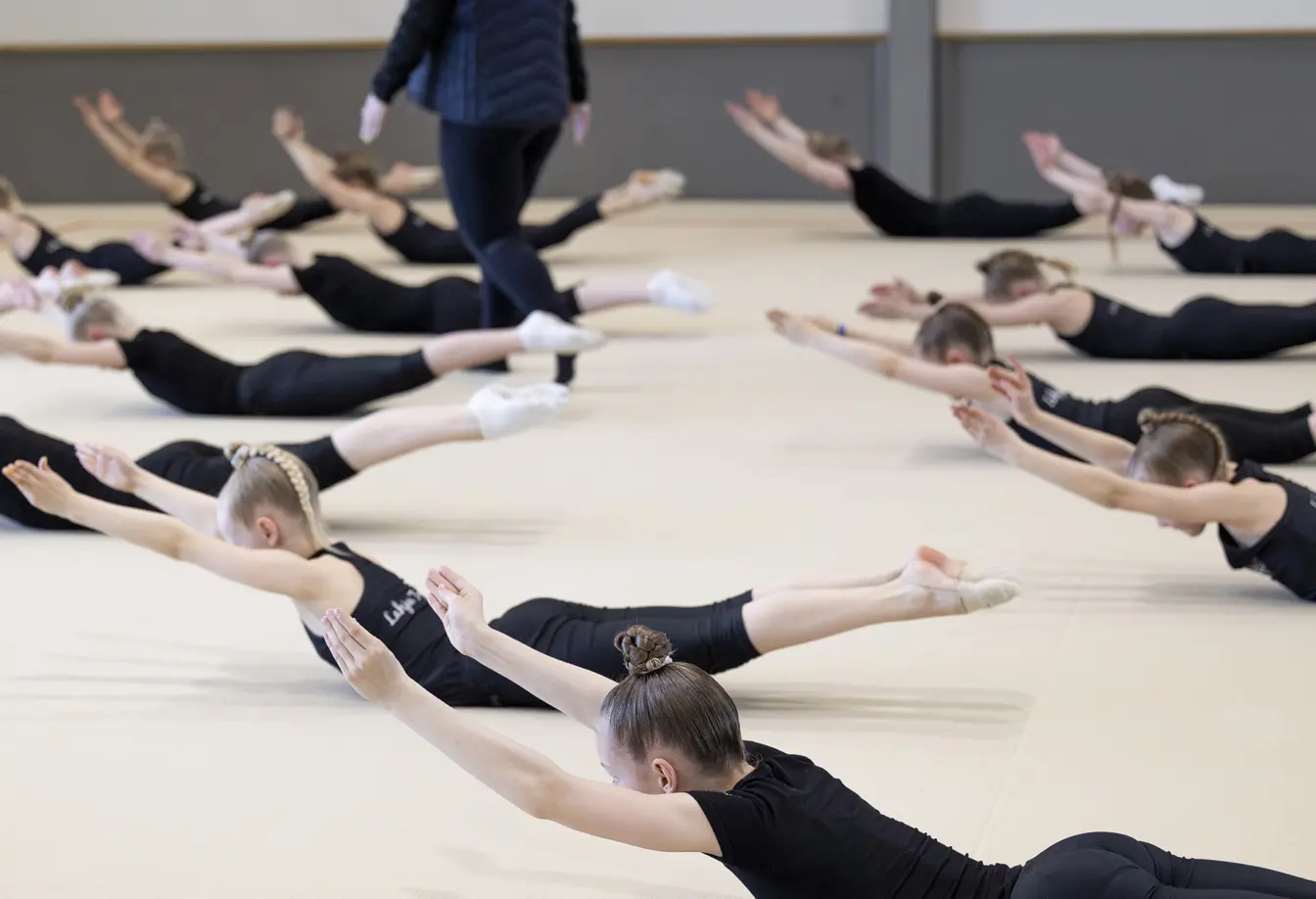
The Finnish Gymnastics Federation’s Policy on Children
The Children’s Policy aims to promote safe participation in sports, manage the amount of training, limit the costs of participation, support the well-being of gymnasts, encourage continued participation, and promote physical well-being.
Liisa Lappalainen, Head of Competence Development at the Finnish Gymnastics Federation, commends Lahja Sport for its long-term commitment to advancing children’s gymnastics.
– When a club realizes that quick wins don’t build long-term success, but that a solid daily routine is the foundation for sustainable participation and success, it has grasped something truly significant, Lappalainen sums up.
The club wants to support and listen to every gymnast
Although Lahja Sport aims to reach the pinnacle of international gymnastics, the club recognizes that striving for the top is not necessarily for everyone.
– We don’t expect everyone to be at the top of their game. We want to support children and young people at whatever level they choose to participate. We want to be adults who listen and offer options.
Lahja Sport also utilizes the “Aseman Lapsien Friends” mentoring program launched by the Finnish Gymnastics Federation, which helps strengthen children’s emotional skills and self-image. According to Viikari and Aalto, this is a natural path toward mental coaching that begins in adolescence.
– The program has been a great help in fostering a culture of open dialogue. Children learn to manage their emotions and express their thoughts to adults. This is the cornerstone of our work, and naturally we want to support it in the best way possible. An open culture of discussion builds an even better gymnastics program, Viikari sums up.
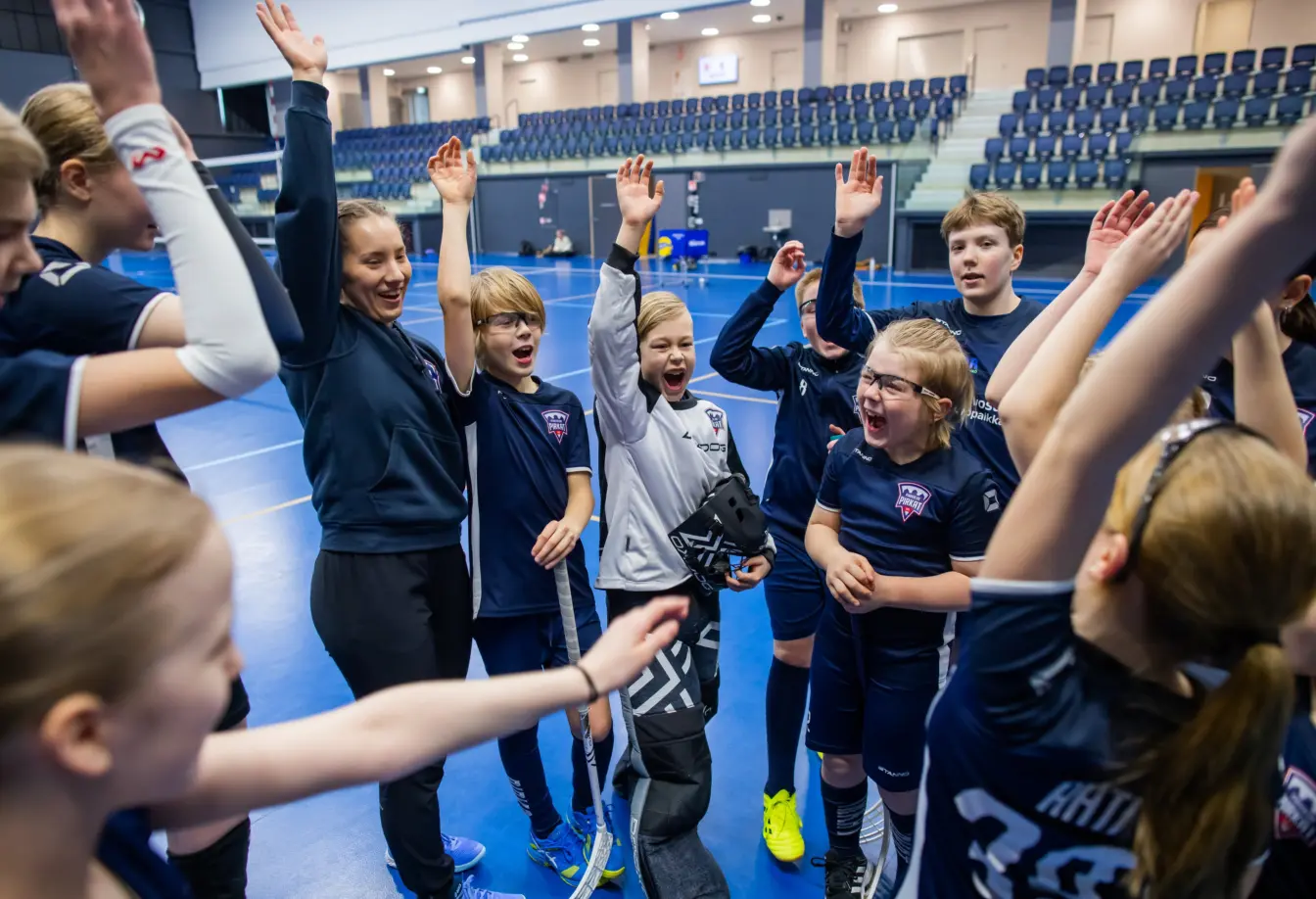
The Finnish Olympic Committee and sports federations are taking a new direction in children’s sports
Right now, children’s sports in Finland are at a turning point. Fewer and fewer children are getting enough physical activity, too many quit their hobbies too early, and basic motor skills have weakened as everyday physical activity has declined. Children are entering organised sports at an increasingly young age, sport-specific choices are being made earlier, and unfortunately many also leave club activities too soon.
In light of research, none of these trends support the development of an active lifestyle, the learning of physical skills, or the building of a successful elite sports career.
The Finnish Olympic Committee and 40 national sports federations are seeking a new direction for children’s sports. We want to strengthen the future of children’s sports in Finland. As a sports community, we are doing everything we can to ensure that every child in Finland can continue to discover the joy of sports. Every child should have the opportunity to participate, belong, dream, and take part in sports in their own way.