

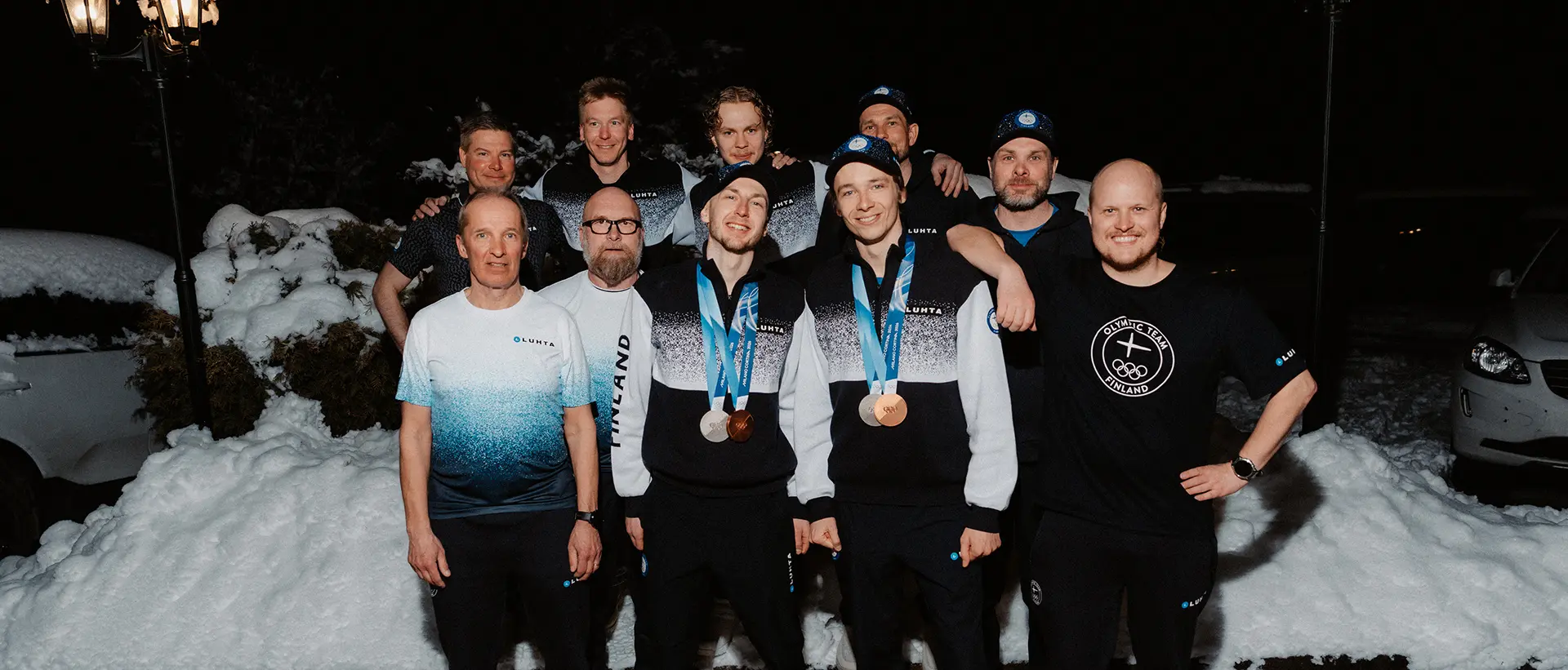
The Finnish national team in Nordic combined has undergone a two-year transition that paid off at the Olympics. According to head coach Antti Kuisma, the team’s focus on the ski jumping portion of the event and new training requirements were the main factors behind their success.
According to head coach Antti Kuisma, the foundation for success in the national Nordic combined team has been laid through solid groundwork. However, as the team set its sights on the Milano Cortina Olympics, the goal was to raise the bar even higher.
– The groundwork was laid long before I took my seat at this table. Kukkonen (Petter) has done a fantastic job. The team spirit has been fantastic, and the athletes’ work ethic has been outstanding. We have, so to speak, taken the helm together with the current leadership and further developed our work in line with the sport’s current standards.
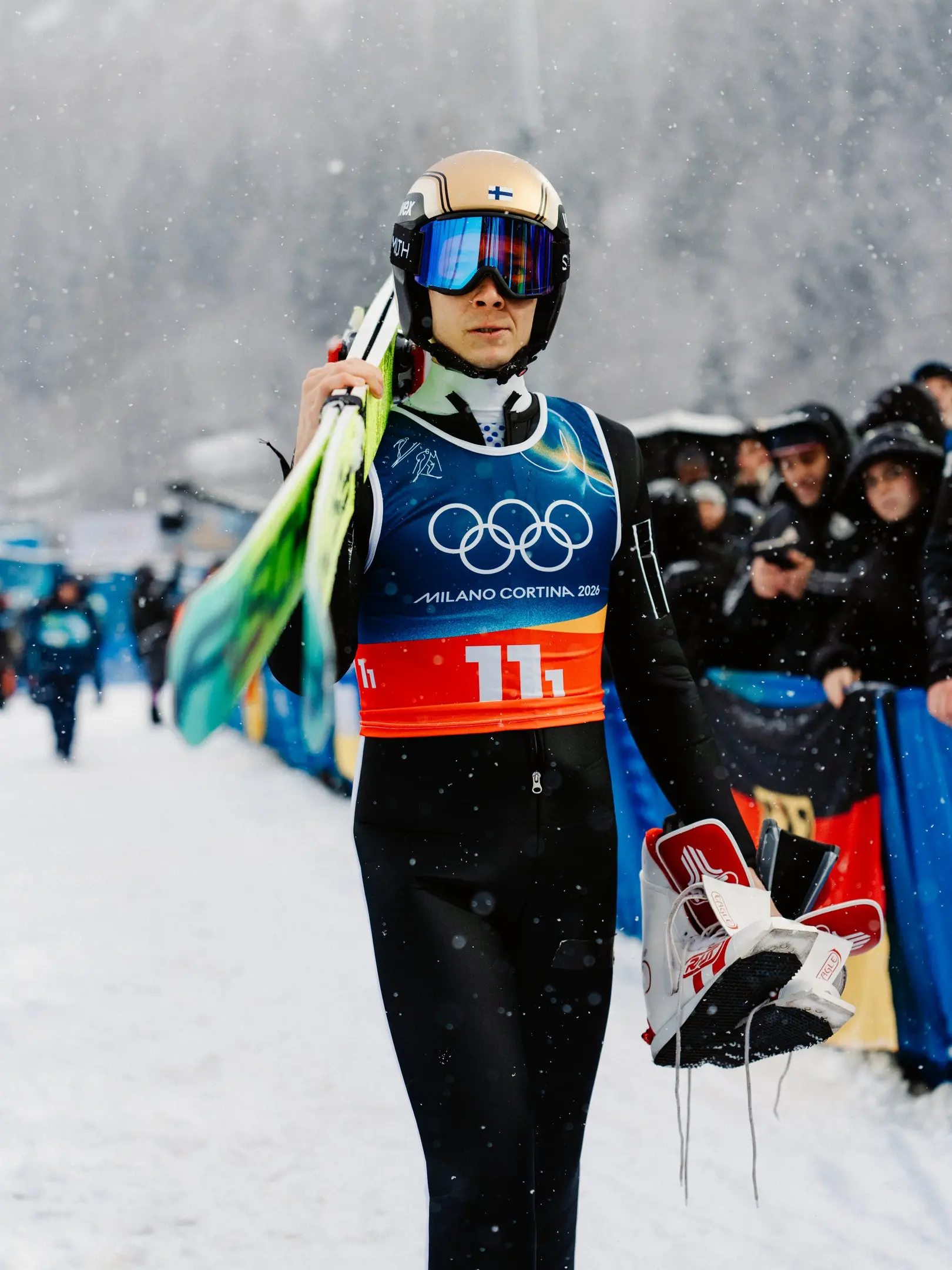
The goal has been to get a cross-country skier to think like a ski jumper. Under no circumstances should the jump be the result of forcing oneself to do it.
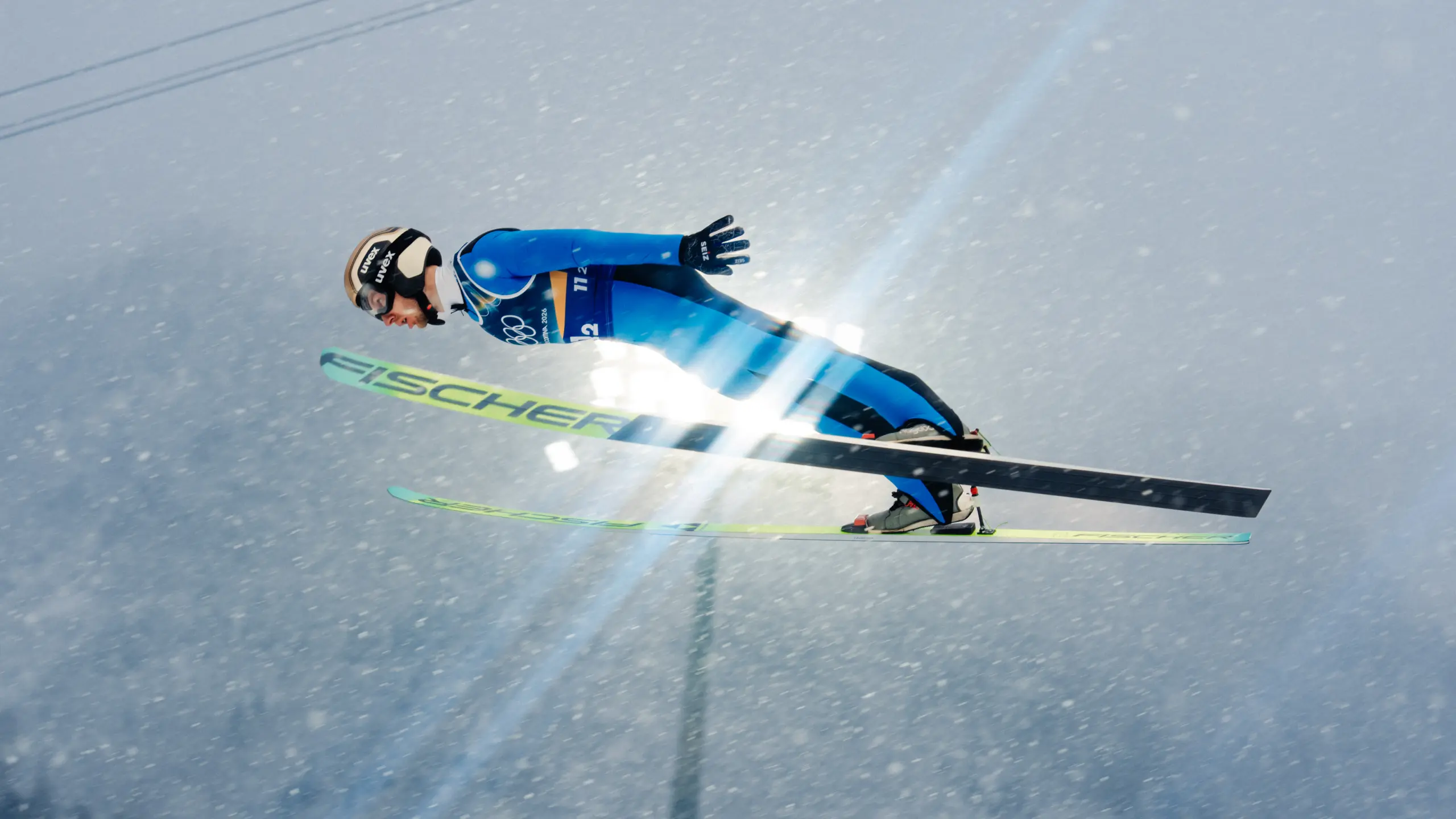
According to Kuisma, training has focused primarily on the jumping event. The goal is for Finnish Nordic combined athletes to be able to compete for top finishes in major competitions.
What has this meant in practice?
– Finding the right balance has been crucial. You could call it the relationship between price and quality. We’ve given a lot of thought to what’s necessary and what’s unnecessary. How can we create a comprehensive solution that best supports our goals?
– The goal has been to get a cross-country skier to think like a ski jumper. Under no circumstances should the jump be a matter of forcing your way through. The focus must be outside the jump. On the jump, you have to let things take their course and flow naturally, says Kuisma.
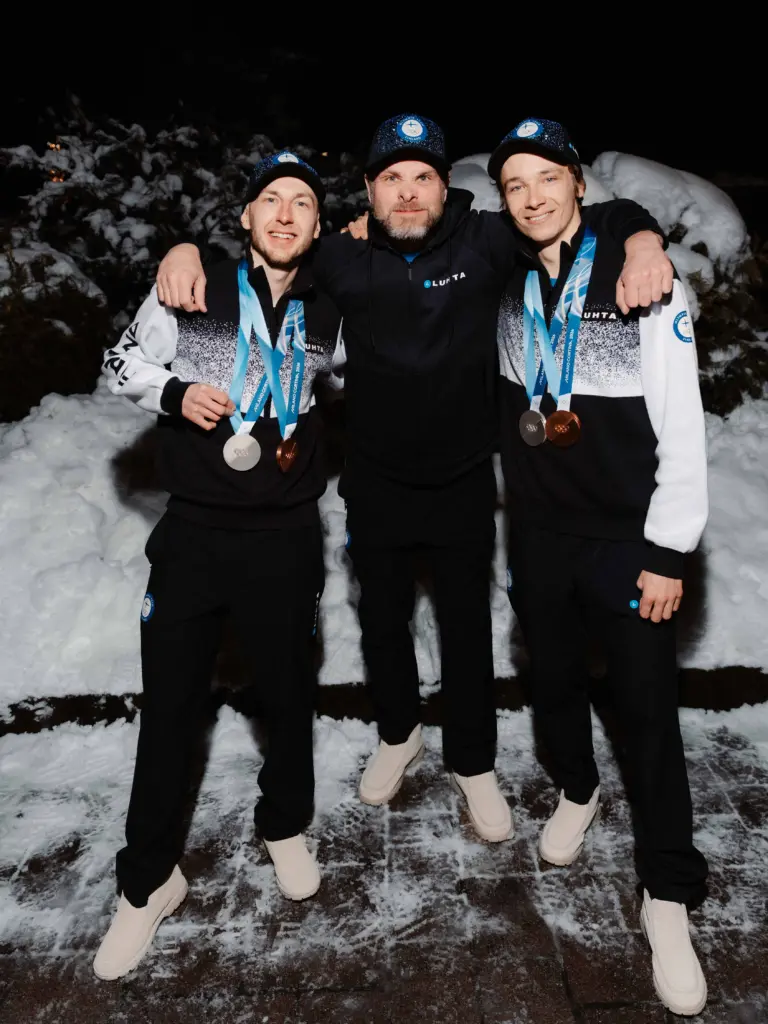
The coaching team made jumping a key focus
There are advantages to having a small team. According to Kuisma, it has been easy to fine-tune and adjust the training guidelines. At the same time, the role of management has been clarified: the overall operation is managed centrally, but everyone understands their own responsibilities as part of the shared goal. In elite sports, no one can succeed on their own; success is built on collective effort.
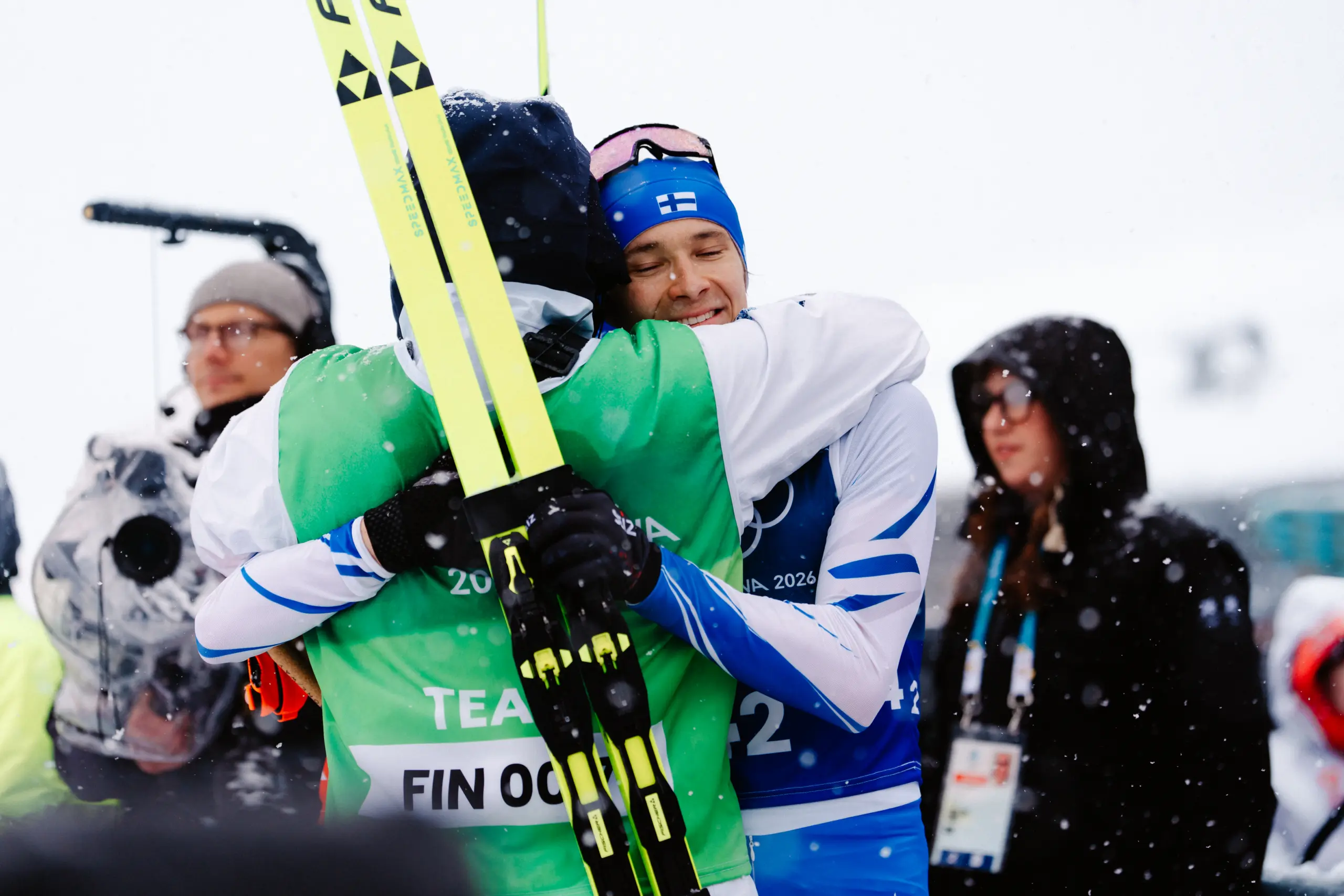
– The athletes and coaches know each other well and have built up a strong bond over time. The team works together seamlessly, and I think that team spirit is evident to everyone.
Trust has also played an important role when training guidelines have changed. When greater emphasis began to be placed on the jumping component of training, it was also important to help the athletes understand that this was the right direction to take.
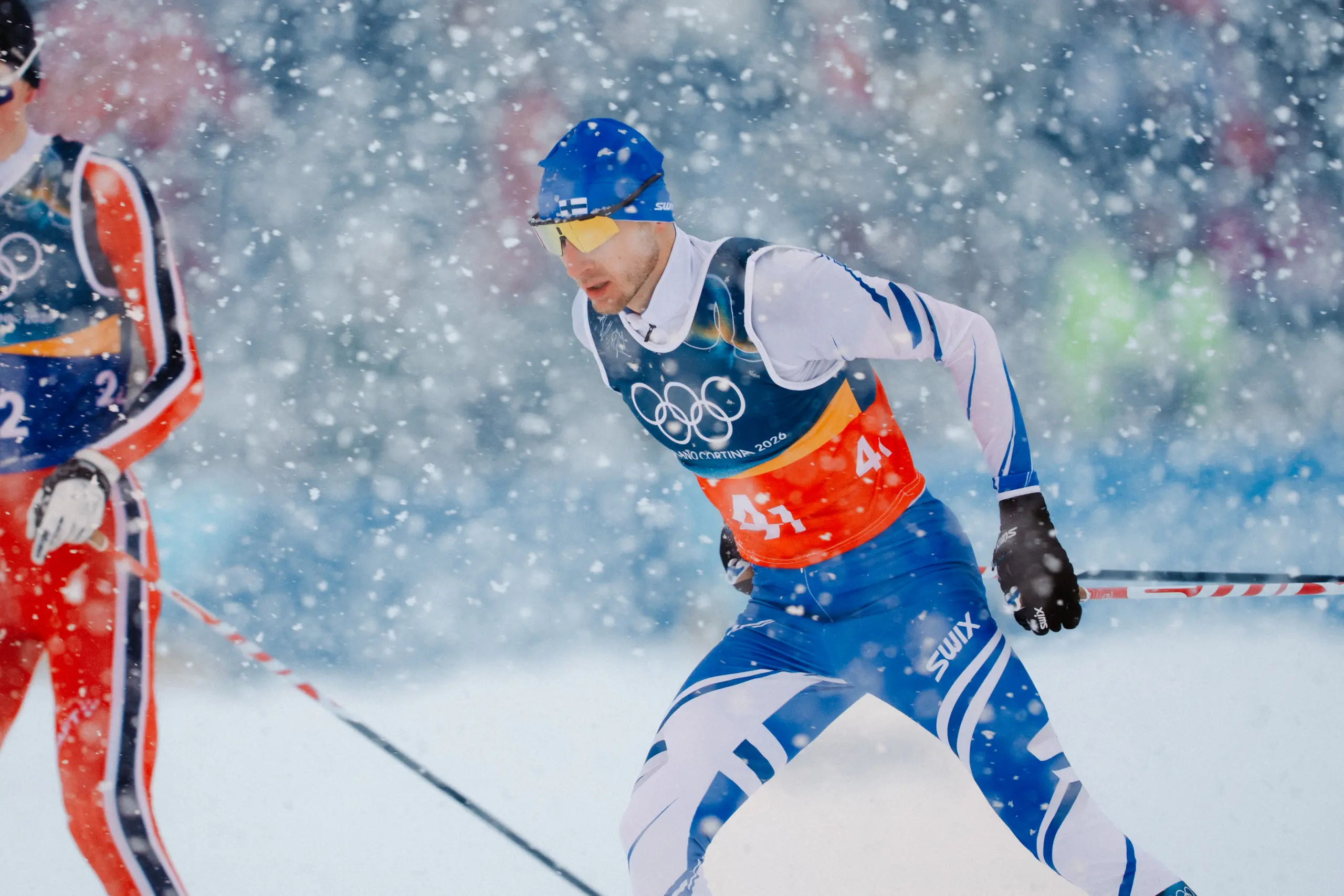
– There was a strong backlash at first. The athletes wondered why they should focus on ski jumping training when their skiing was going so well. Once the training was adjusted, the results improved. That’s how the athletes came to realize that if you focus on the right things, the results will follow. Their performance level rose significantly.
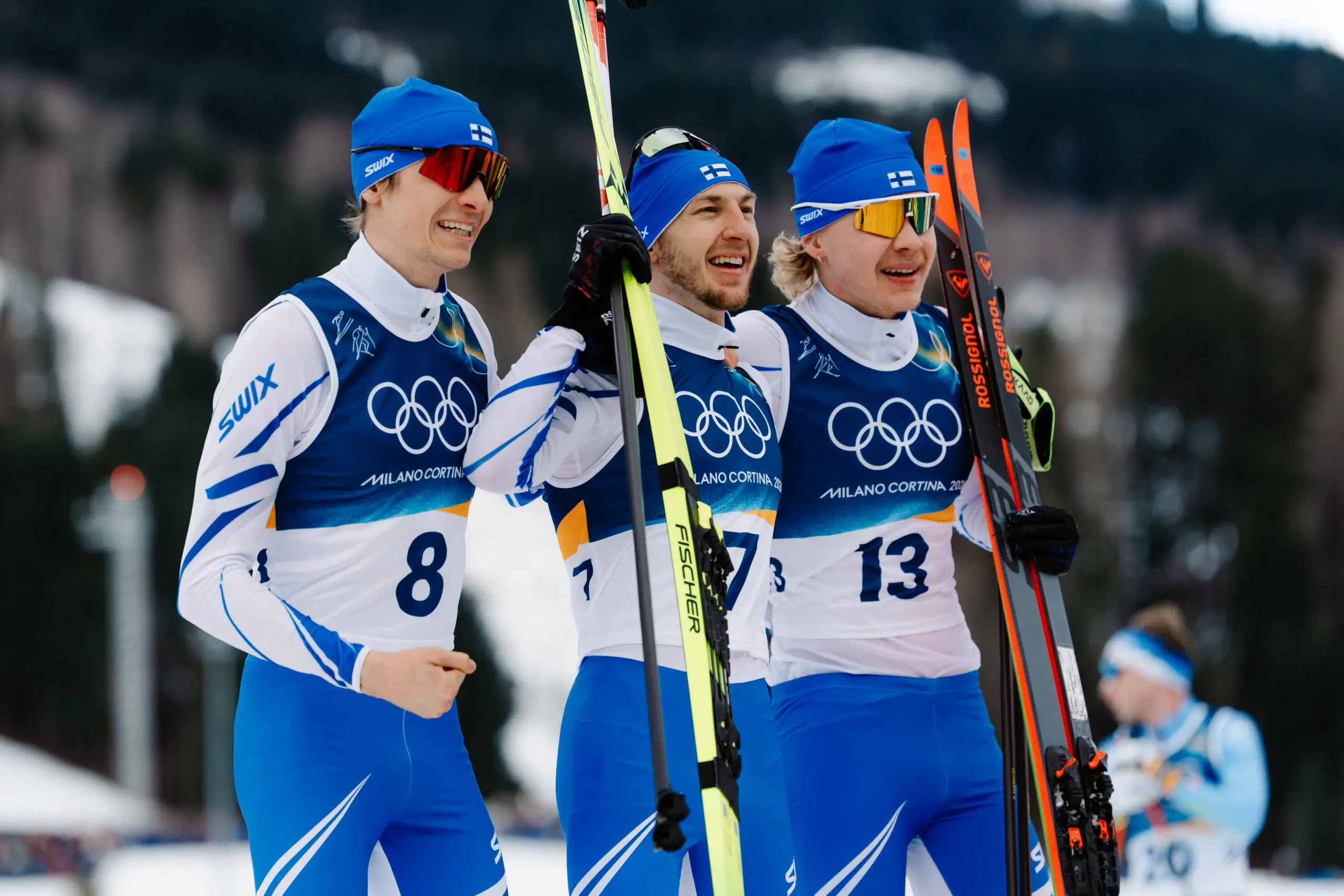
A small team, a lot of trust
Kuisma describes the training as development-oriented. The amount of strength training in the program has been reduced, which has improved the overall quality.
– For example, we no longer do strength training 2–3 times a week, but rather twice a week or every other week. This allows the athletes to recover more quickly after training, and we’ve been able to focus our development efforts on the right areas.
In addition to jump training, changes were also made to the national team’s training camps. The camps now last about 5–7 days.
– The schedule is always the same. The first two days are devoted to jumping, followed by an intense training session on roller skis. In between, there’s a lighter day, followed by two more days of jumping. At the end, some athletes may also do high-intensity training, while others do strength training. The focus is on making the most of the perfect conditions.
– The athletes know the camp schedule in advance, so they can complete their own specific training sessions before the camp. The team arrives well-rested, and we all know right away where to start. The important thing is to be together and make the most of it. In my opinion, the whole setup has worked well this way.
Kuisma emphasizes that success is achieved together. During training, the athletes challenge one another, and they are supported by a large team that facilitates their development.
Milano Cortina 2026
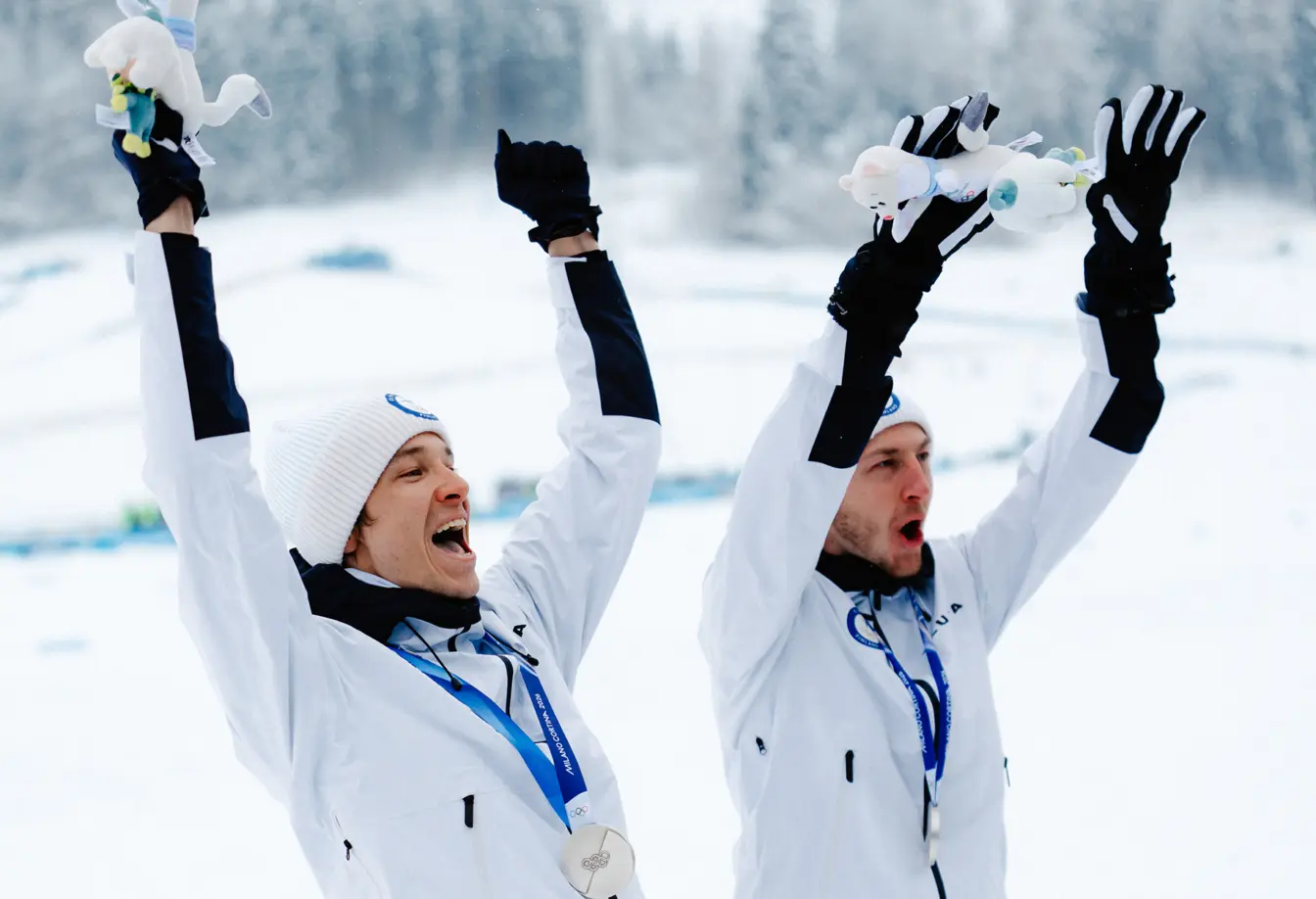
The Finnish Olympic team won a total of six medals at the Milano Cortina Games. Three of the team’s medals came from the Nordic combined event.
Ilkka Herola and Eero Hirvonen won silver in the Nordic combined team sprint. Hirvonen took bronze in the normal hill event, kicking off the national team’s medal haul in Nordic combined.
– A whirlwind of emotions – so much joy and gratitude. There’s still a lot to process. It’s been a bit of a hazy day – I’ve been in my own little bubble ever since the trial jump on the large hill. It carried me quite far today, Hirvonen summed up his feelings after the competition on the normal hill.
In the giant slalom event, Herola went on to win the Olympic bronze medal.
– I still think my starting position going into the cross-country race didn’t look very promising on paper. We took a chance and went for it anyway, and this time it paid off, Herola said, summing up the competition as a whole.
The carefully planned preparation paid off at the Olympics
According to Kuisma, the Finns achieved success in several ways at the Milano Cortina Olympics. The athletes’ achievements and their ability to reach their full potential were the most important of these.
– I feel like we managed to establish a routine that worked well for the whole team. The athletes’ daily schedule ran smoothly, and our preparations went exactly as planned. During the pre-camp, we focused on rest and testing our equipment. During the competitions, we worked in exactly the same way as we do during the World Cup. We made sure nothing unexpected happened around us. No extra people or other surprises.
– The Games were an amazing experience for both the athletes and the entire team. The conditions were on our side, and the top athletes clearly benefited from that. We didn’t have to change much. Once we got going, there was no stopping us. It was a shared success for the whole team, Kuisma sums up.
Meet Ilkka and Eero!
-
 Ilkka HerolaGet to know Ilkkaan
 -
 Eero HirvonenGet to know Eeroon