

Milano Cortina 2026 turned out exactly as we expected, but not what we want
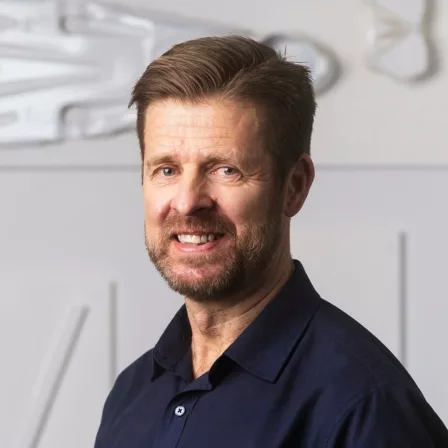
 Photo: Mika Kylmäniemi.
The Winter Games in Italy yielded results that met our expectations. But if we stop here and pat ourselves on the back, we’re on the wrong track. We need to distinguish between two things: how these Games turned out and the broader picture for Finnish elite sports.
In these Games, we succeeded in fulfilling the primary mission of the Finnish Olympic Committee and the Finnish team: to provide athletes and coaches with the best possible conditions for success. Those who create the conditions do not produce the results; it is the athletes and coaches who do so. About 70% of the team met or exceeded their personal bests. That’s an impressive figure at the Olympics, where the pressure comes down to meters, seconds, and split-second decisions. Congratulations to all the medalists. And equally big congratulations to those who managed to perform at their highest level in the toughest place in the world. That’s an achievement that cannot be underestimated.
But then comes the harder part: Looking at Finnish elite sports as a whole, winter sports and team sports have been in relatively good shape in recent years. Summer sports, on the other hand, quite frankly, are far too weak. If we want to be a country that competes in the Olympics with multiple teams full of stars with medal potential in the future, we cannot continue with old ways of working. We cannot just do a little better. We have to do things differently.
The radical transformation of Finnish elite sports that began last year is not a project. It is a change of course. The goal is clear: by the time of the Olympics in the 2030s, we must have several realistic medal contenders, in both the Summer and Winter Games. Currently, there are too few. And so every failure, illness, or slight change in performance disproportionately affects the entire team’s final result.
Even before Milano Cortina, we had already begun extensive reforms of the system for sports scholarships and support for various sports. These decisions are not popular with everyone. But they are necessary. With the current model—or with only minor adjustments—we will not achieve better results.
The change must focus not only on resources but also on standards and working methods. The focus must be entirely on what is essential:
- How can we improve athletes’ physical performance?
- How do we develop our technical and tactical skills?
- How do we ensure the well-being of athletes?
- How can we identify world-class talent earlier?
- How can we support athletes in a sustainable and meaningful way, day in and day out?
Even though we know that, economically speaking, we must yield to our toughest competitors, this must not stand in the way of change. Unfortunately, we cannot sit back and wait for Finland’s economic situation to provide us with significant additional funding in the foreseeable future.
That is precisely why it is even more important to allocate resources carefully and boldly. Resources in elite sports must be directed toward what enables success at the world level, both now and in the future. This means making tough priorities. It means staying focused.
And yes, that means you have to be a better or more promising athlete than before to be eligible for support.
Raising the bar isn’t just the Olympic Committee’s responsibility. Everyone needs to take a good look in the mirror: sports federations, athletes, coaches, and support staff—both on the competition team and in day-to-day operations back home. If standards aren’t raised in everyday life, they’re unlikely to be high enough at the Olympics either.
It goes without saying that we need to raise our standards. We must be able to meet higher expectations. It may feel painful for a while, since major changes rarely feel comfortable right away. However, it would be incredibly foolish to carry on as usual and expect a different outcome.