

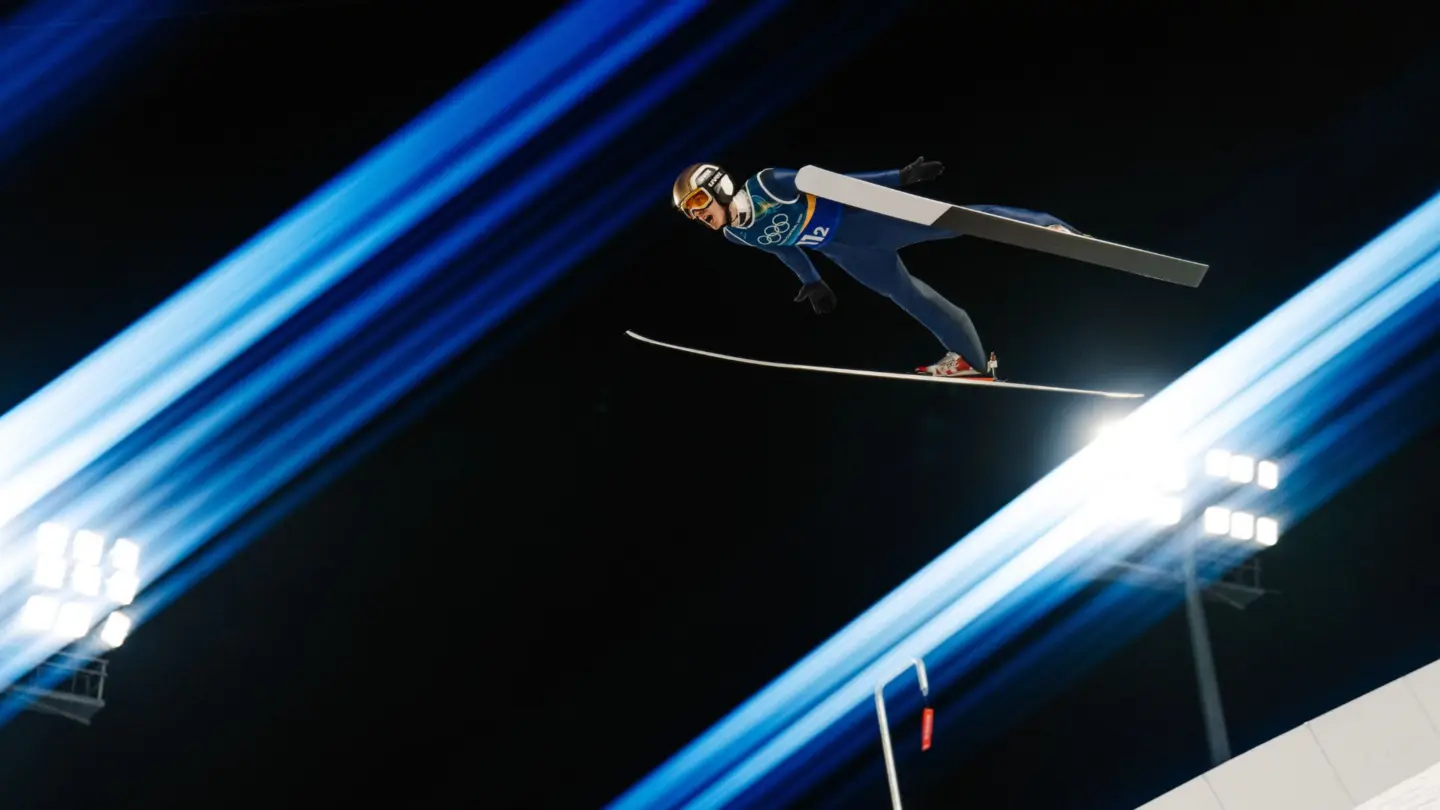
 Niko Kytösaho, 2026 Milano Cortina Olympics. Photo: Jesse Väänänen
An athlete’s journey begins with their first training sessions. Over the years, coaches, their club, school, sports academy and ultimately the high-performance sport environment become part of that journey. The Olympic Committee supports athletes at different stages of their journey by bringing different actors together, developing competence and creating shared practices.
The first years in sports: a child discovers the joy of exercise
A child’s participation in sports often begins in a club. The first few years determine whether physical activity becomes a enjoyable part of daily life and whether the child wants to continue the activity even after the initial enthusiasm has faded.
– The situation is challenging right now. Children are becoming less active, they’re starting organised sports at an increasingly younger age, and they’re dropping out of club sports earlier than before. They’re also starting to focus on a single sport at an increasingly younger age, says Liisa Ahlqvist-Lehkosuo, director of sports operations at the Olympic Committee.
The Olympic Committee, together with the sports federations, is seeking to change this. The agreement on children’s sport aims to find common approaches to issues including costs, competition systems and coaching, as well as ways to increase the amount of physical activity among children
– The agreement on children’s sport will be published in November, and it covers well over 90 percent of athletes under the age of 13 who hold a sports licence. Implementing it will be a major focus for us in the coming years.
Common guidelines are needed, but from the child’s perspective, the most important things happen during practice and at the club. That is why the Olympic Committee also works with clubs and helps them develop their practices.
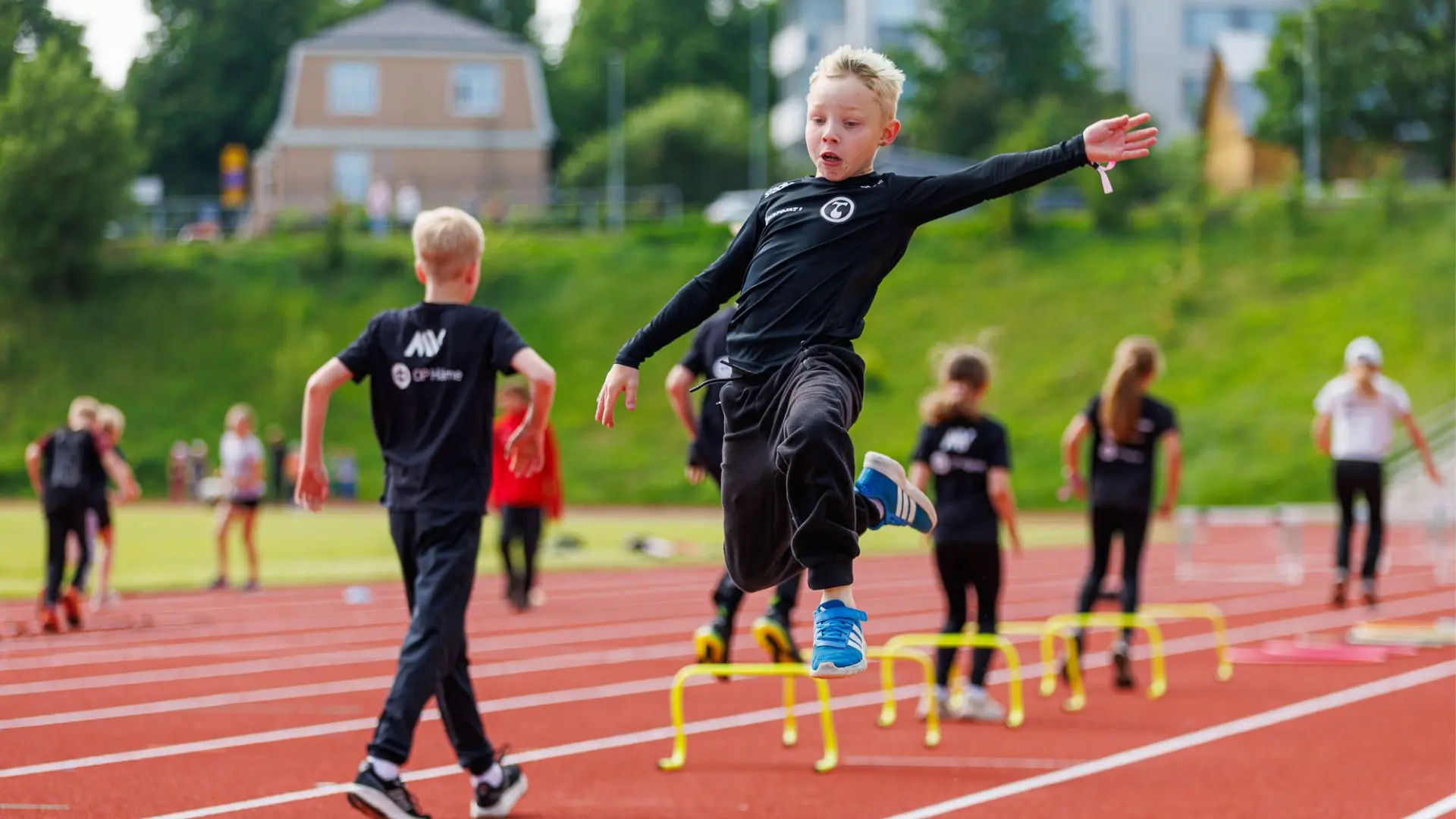
The Tähtiseura Program is a quality program for clubs that offers them expert assistance and various tools to support their development. The Tähtiseura audit comprehensively reviews a club’s operations and helps identify both its strengths and areas for improvement.
– The Star Club Program is being revamped to better respond to changes in society and will be more of a developmental program than an evaluative one going forward.
The plan is to incorporate the Children’s Sport Agreement into the Tähtiseura program and its criteria as well. In this way, the results of this joint project between the sports federations and the Olympic Committee will be tangibly reflected in the day-to-day operations of the clubs.
Years on the Path of an Athlete: What Kind of Coaching Do You Receive in Sports?
A child’s first coach plays a significant role in many ways. He or she can have a major influence on the nature of the child’s relationship with sports. If a child continues with the sport after the first year, they’re more likely to stick with it for the long term. So the quality of coaching often determines whether a child’s passion for exercise or physical activity is ignited.
The development of coaching is an integral part of the Olympic Committee’s work throughout an athlete’s entire career. The goal is to enhance expertise in coaching and sports management and to strengthen a goal-oriented, collaborative, and people-centered culture.
Ahlqvist-Lehkosuo explains that Finland has a great deal of high-quality coaching and sports expertise, but the field is fragmented, and up-to-date information is not systematically disseminated throughout the sports community.
– Organizational culture doesn’t change with a single decision; rather, it is built bit by bit. Finland needs a common competency framework for coaching and sports management that defines the competencies required for different roles and career stages, how those competencies are developed, and how they are kept up to date. The system must strengthen cooperation among stakeholders and ensure that research findings, international expertise, and best practices are made available to the entire Finnish sports community.
On the Path to a Career in Sports: How Can a Young Athlete Balance Sports and the Rest of Their Life?
In middle school, an athlete’s daily life changes. Training increases at the same time that schoolwork—and later, college studies—become more demanding. Sports academies help create a cohesive structure around these demands and provide better opportunities for a smooth dual career.
The Olympic Committee coordinates the national network of sports academies and ensures that all stakeholders are working toward a common goal. Local sports academies are built on cooperation between municipalities, educational institutions, and other stakeholders, and national coordination helps develop their operations in a unified manner.
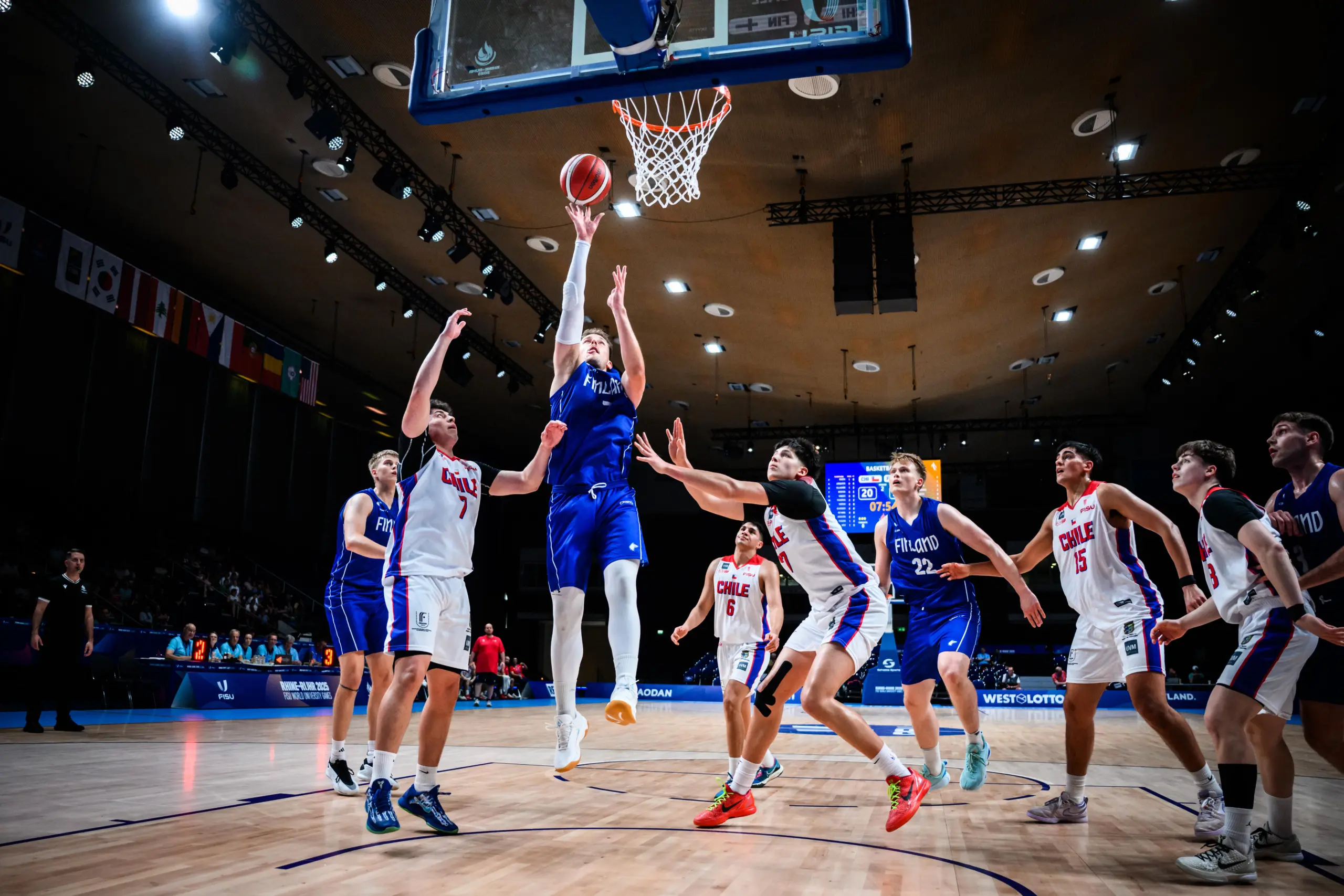
In addition, the Olympic Committee ensures that dual careers and the needs of athletes are taken into account in decision-making.
– Our role in supporting athletes’ dual careers lies particularly in advocating for their interests and influencing policy. For example, we work to influence the Ministry of Education and Culture to ensure that dual careers and athletes’ interests remain part of the decision-making process.
Aiming for the world’s best: How are expertise and resources allocated?
As athletes’ goals become more challenging, the demands placed on their environment also increase. The Finnish Olympic Committee’s work in high-performance sports aims to identify areas for development in various sports and help address them.
– In high-performance sports, our mission is to create the conditions for success in different sports, summarizes Janne Hänninen, Director of High-Performance Sports at the Finnish Olympic Committee.
After the Paris Olympics, efforts began to reform high-performance sports in Finland. One aspect of this reform has been to refine the criteria for athlete grants and targeted development funding for sports in collaboration with the Ministry of Education and Culture.
– That set a major process of change in motion. As a result, we have, for example, worked with the ministry to refine the criteria for athlete grants and development funding and made quite a few changes to them, Hänninen says.

In addition to allocating resources, high-performance sports also places a strong emphasis on developing competence. The Finnish Olympic Committee has launched cross-sport sparring groups where coaches can share experiences and learn from one another.
– In comparable countries, competence is better concentrated than in Finland, and collaboration across sports is stronger. That is why we have established sparring groups where coaches can learn from coaches of similar sports.
– Perhaps the most important thing is that we’re trying to change the way Finnish sport operates so that we no longer talk only about structures and processes, but rather about improving everyday practices within sports, because it is clear that what happens day to day determines success. This is the top priority for many successful countries, Hänninen sums up.