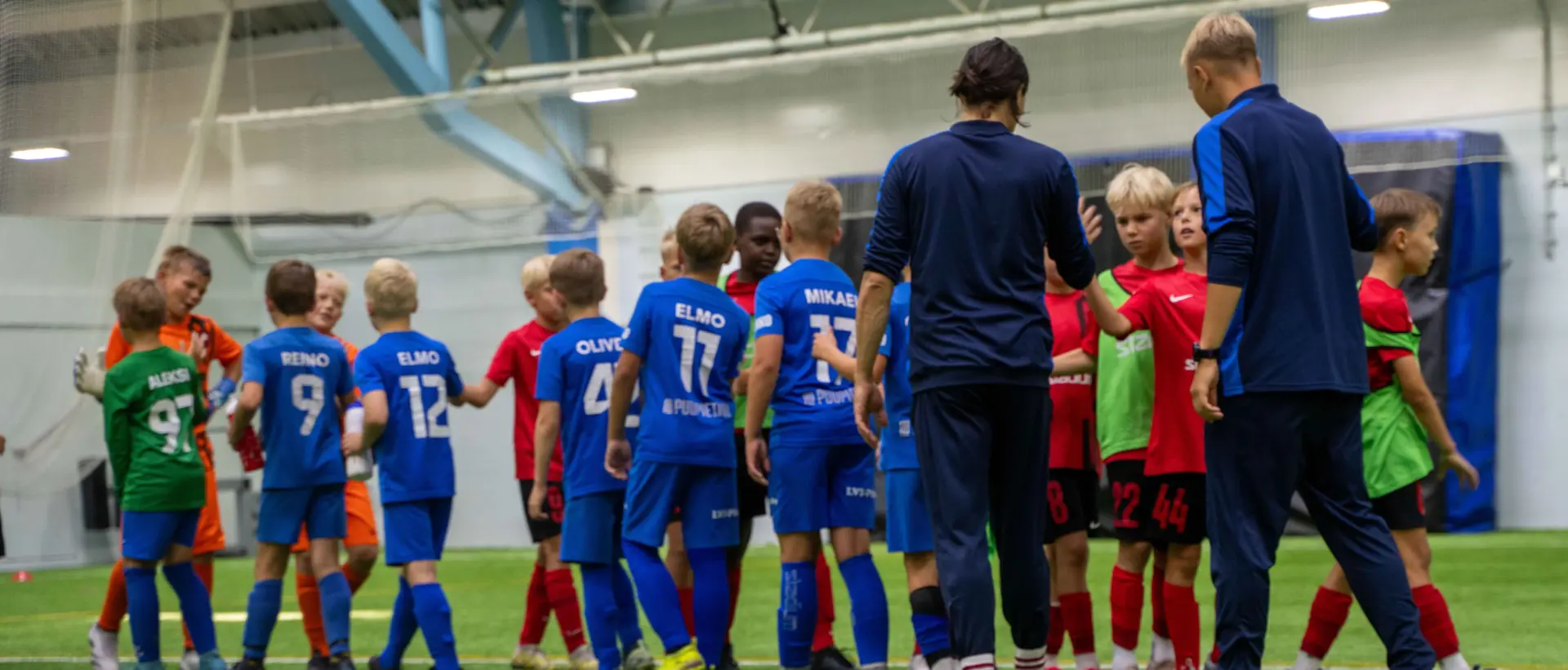
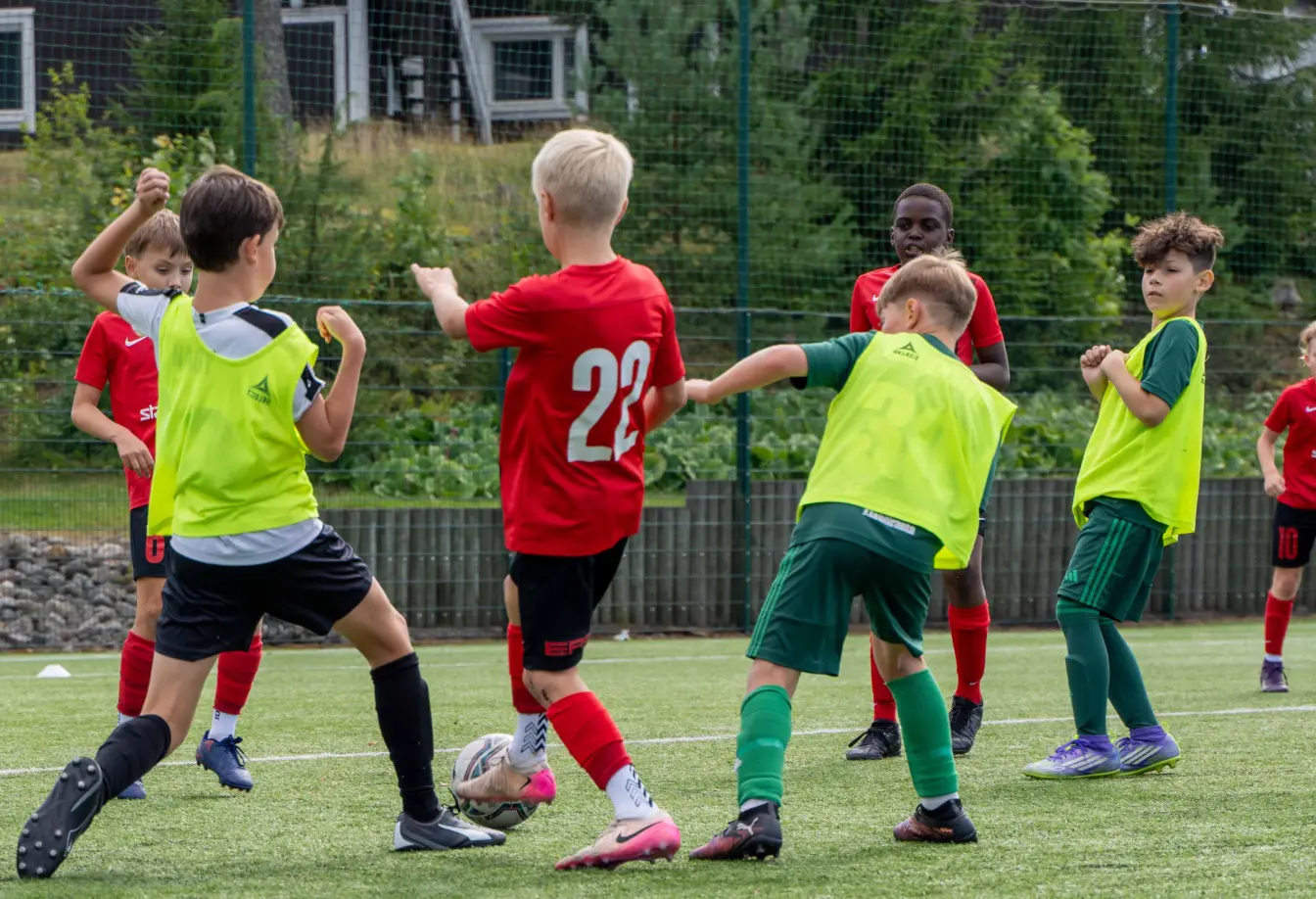
The Finnish Football Association, in collaboration with the Eerikkilä Sports Institute, is organizing the Huuhkaja and Helmaripolku development event for 10-year-olds for the third time this year. The two-day event will once again bring together 50 teams from across Finland.
– We’re very used to certain frameworks and rules. Letting go of them may seem difficult at first, says Antti Kekkonen, Head of Football Services at the Eerikkilä Sports Institute.
The Finnish Football Association is implementing the Huuhkaja and Helmaripolku programs for 10- to 17-year-olds in collaboration with Eerikkilä. This development initiative has been promoted in partnership with the Finnish Football Association, Eerikkilä, and local clubs.
– When it comes to 10-year-olds, rules certainly have their place, but they should be adapted to better suit the world of children in order to support the theme of “Children Throwing Themselves into Play.” Playing should be insightful and inspiring. It is important to reinforce the child’s own sense of competence. We wanted to bring different game formats to the event and adapt the rules so that they would best support the children’s activities.
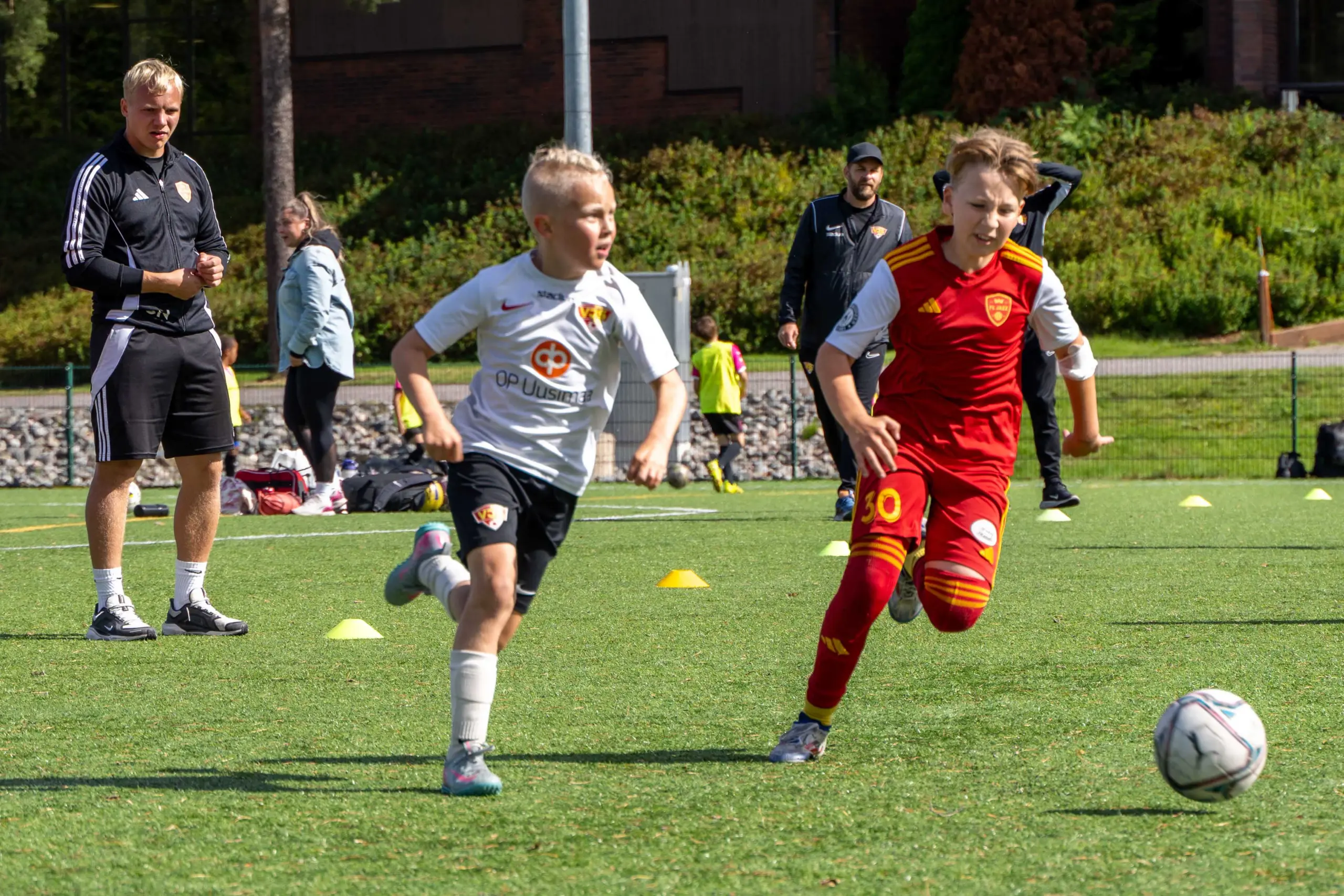
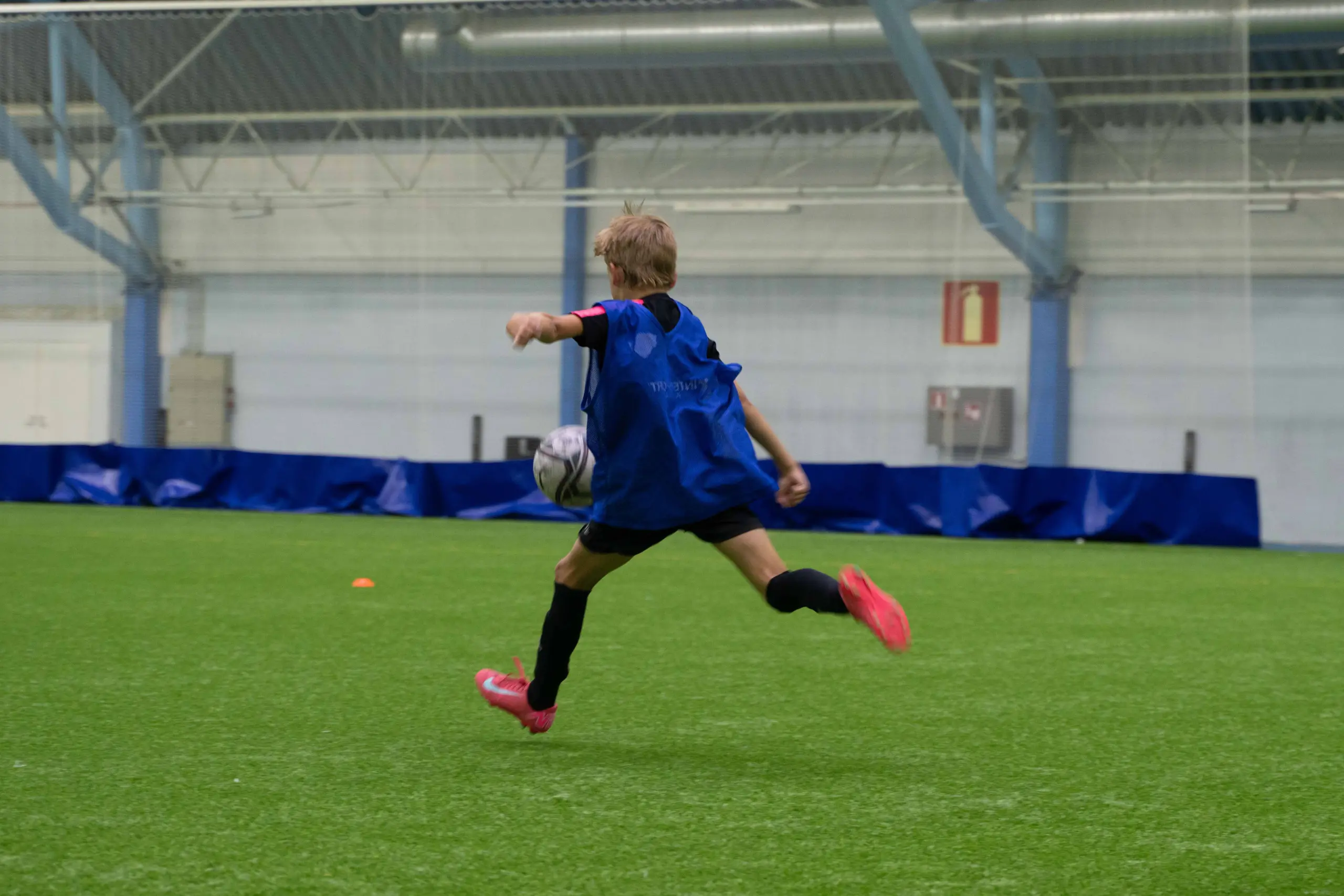
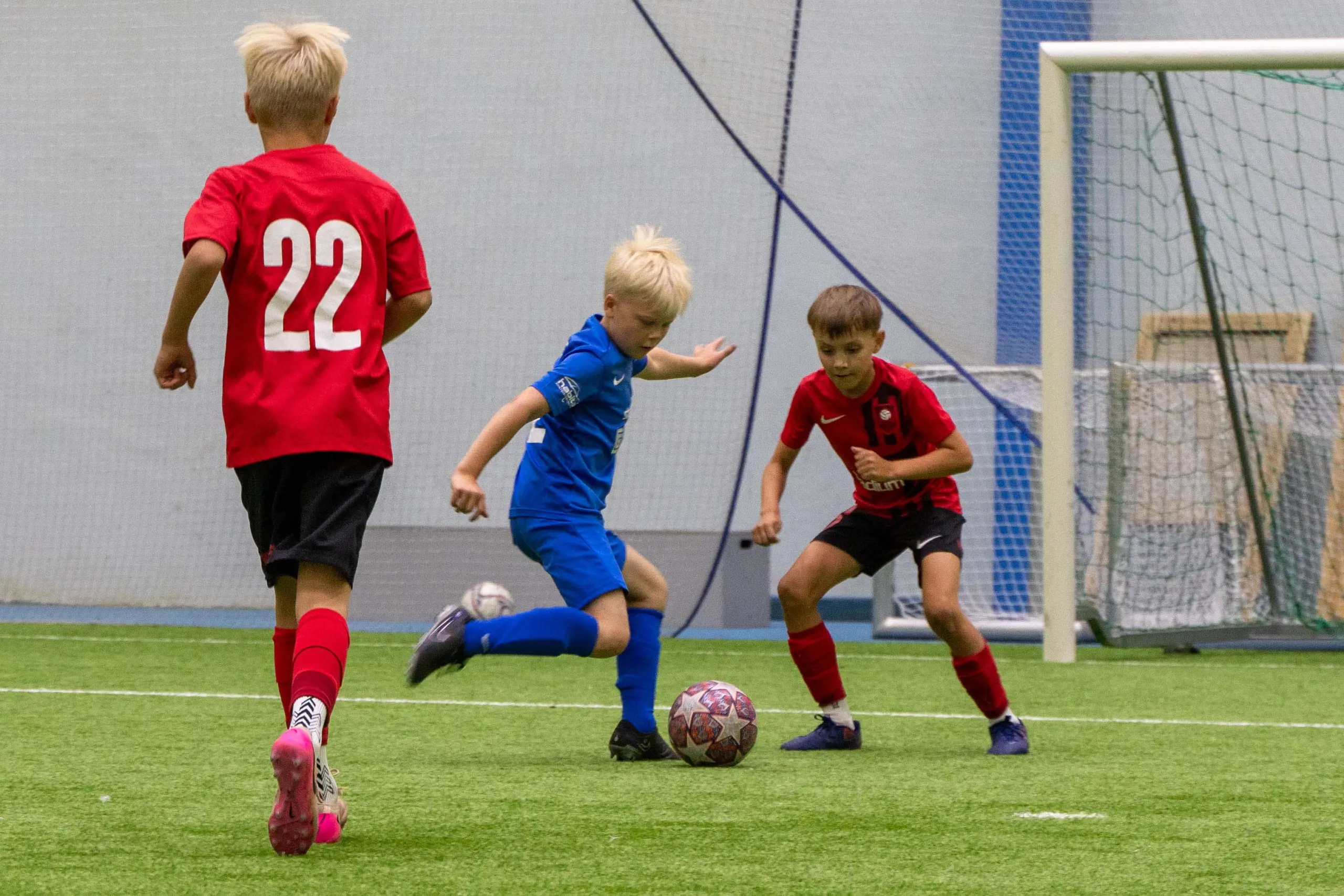
Changes have been made to both the size of the field and the size of the teams. At the same time, the goal is to encourage the children’s independence: in tournaments, the children decide how to handle game situations without a referee.
– 7-on-7 matches are played, for example, on fields of different sizes. A team might play its first game on a larger field and then move to a smaller green for the next game. 4-on-4 games, on the other hand, are played side by side. In practice, this means one team plays on two fields at the same time. Meanwhile, the players on the bench perform various ball drills.
– Although the absence of a referee might have seemed confusing at first, it quickly became clear that the children were able to handle various situations quite resourcefully. At the event held last year (2025), we hardly heard any questions at all about why there was no referee. The games have run smoothly on their own, Kekkonen says.
Children’s thoughts and comments on the event
Timofei expected the 4-on-4 games to be fast-paced and quick: “The kind where you get to move around a lot.”
Aaro figured that having a referee on the field would lead to more calls: “I haven’t seen many free throws. I don’t think I’ve seen any at all. So there won’t be any free throws.”
Leo, Rasmus, and Eetu, on the other hand, identified their strength as playing on a larger field: “We’re probably better on a big field (7 vs. 7). We’re used to playing on this field.”
Different game modes increase repetition and lead to new insights
Planning for the development event for 10-year-olds has begun as part of the joint childhood-phase development process for team sports and as part of the implementation of the Finnish Football Association’s coaching guidelines. According to Jani Tulehmo, Head of Children’s Coaching Development at the Finnish Football Association, the goal was to create a new comprehensive development event for children, featuring a wide variety of game formats, interact with families, and train coaches.
– Different game formats and field sizes provide children with a variety of stimuli and opportunities to play. Keeping substitutes engaged also plays a key role. We try to avoid having them sit on the bench and wait. For example, players perform guided 1-on-1 drills.
– In every game, we compete and play to win, not for rankings. Developing the players is what matters most, Tulehmo explains.
Families are also participating in the event
The Huuhkaja and Helmaripolku development event for 10-year-olds aims to educate and involve families as well. During the event, discussions with parents will cover topics such as growing up to be a soccer player and an athlete. Through these joint sessions, the goal is to highlight the importance of varied training and physical activity: How much physical activity should there be? What impact do everyday choices have on the total amount of physical activity? How much time should be spent training and playing soccer in one’s free time?
These bold experiments have been well received—players are excited about the large number of games
According to both Kekkonen and Tulehmo, the feedback received about the event has been positive.
– We’ve been bold enough to try something new. The coaches have appreciated that the players get to play more and, at the same time, learn new things through different game formats. We’ve also received praise from families for the amount of playing time, Kekkonen notes.
– If we consider, for example, a larger field, the overall focus shifts to aspects such as running at full speed, dribbling, and defending large open spaces. On a smaller field with fewer players, the focus shifts more toward quickly reading the play, scoring goals, and preventing goals. Above all, the players have been excited about the different game formats and, of course, the fact that they get to play a lot. Seeing how the players perform in different matches also helps the coaches identify each player’s individual skills—their strengths and areas for development, Tulehmo adds.
Text translated with the help of AI.
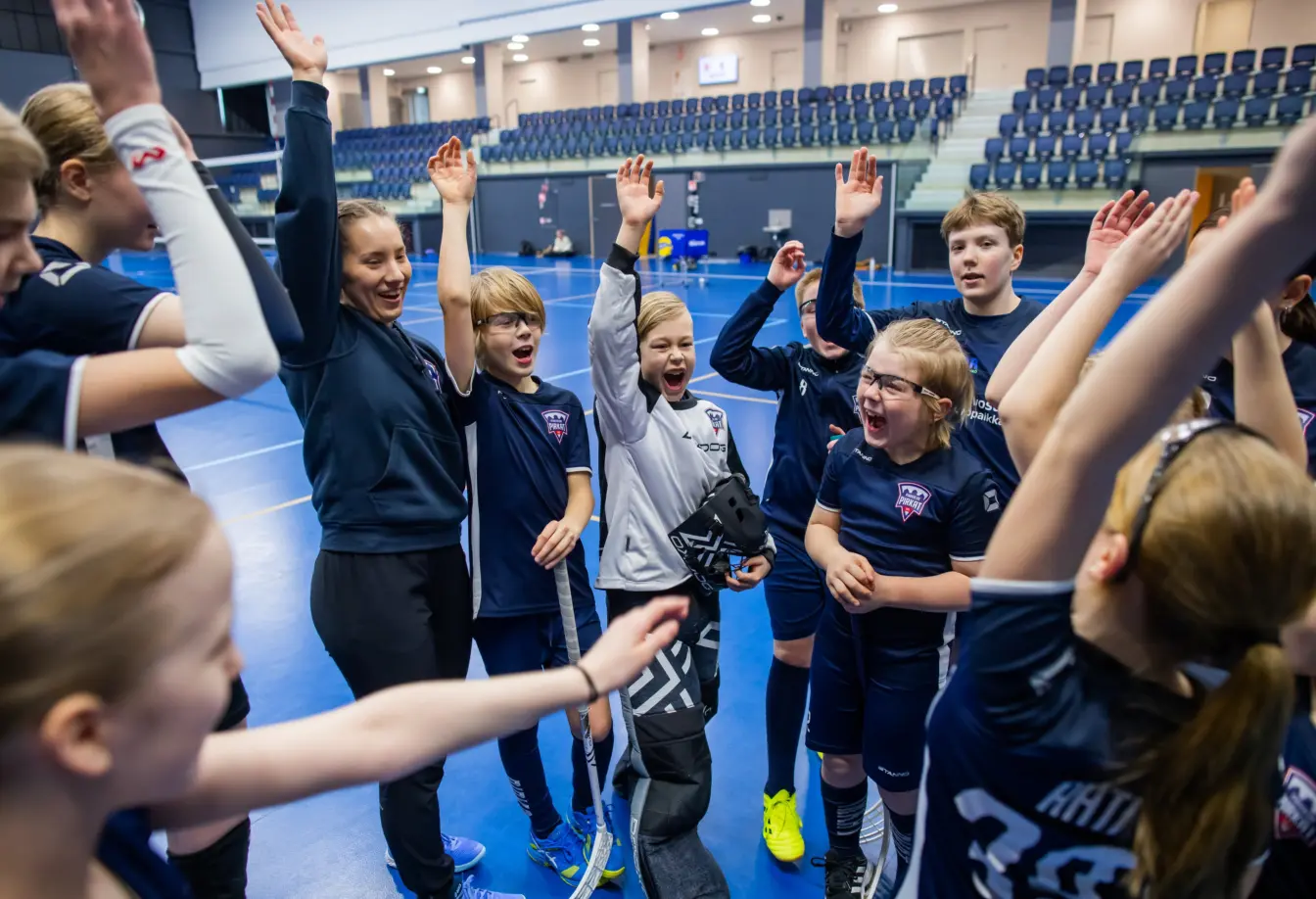
The Olympic Committee and sports federations are taking a new approach to children’s sports
Right now, sports for Finnish children are at a turning point. Fewer and fewer children are getting enough exercise, too many are quitting sports too early, and basic physical skills have declined as daily physical activity has decreased. Children are joining organized sports at an increasingly younger age, they are choosing their sports earlier, and, unfortunately, they are also leaving club activities too early.
In light of the research data, none of these trends bodes well for adopting an active lifestyle, learning physical skills, or building a career in elite sports.
The Olympic Committee and 40 sports federations are seeking a new direction for children’s sports. We want to strengthen the future of children’s sports in Finland. The sports community is doing everything it can to ensure that every Finnish child can continue to discover the joy of sports. All children should have the opportunity to participate, belong, dream, and engage in sports in their own way.